
Dambulla Sri Lanka
Dambulla is a historic town located in Sri Lanka’s Central Province, within the heart of the island’s famous Cultural Triangle. The area has been inhabited since prehistoric times, with archaeological evidence indicating human settlements as early as the 7th–3rd century BC. Dambulla rose to prominence due to its rock cave complexes, which later became one of the most important Buddhist religious sites in the country.
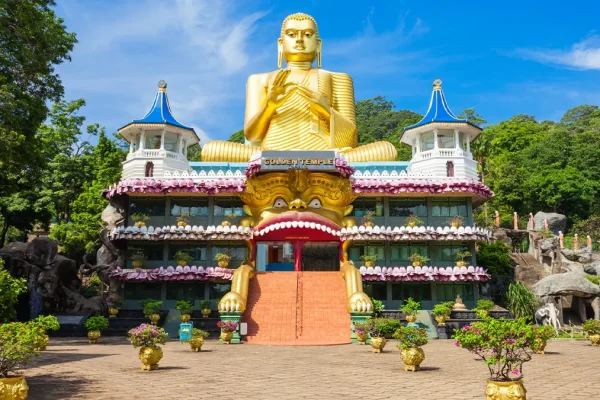
The town’s historical significance is closely linked to King Valagamba (Vattagamini Abhaya), who took refuge in the Dambulla caves during his 14-year exile from the Anuradhapura Kingdom in the 1st century BC. After reclaiming his throne, the king transformed these caves into a magnificent Buddhist temple complex in gratitude to the monks who sheltered him. Over the centuries, successive rulers enhanced the site with statues and murals, making Dambulla a continuous place of worship for more than 2,000 years. The Dambulla Cave Temple (Golden Temple of Dambulla) was recognised as a UNESCO World Heritage Site in 1991 for its outstanding cultural and religious value.
Major Tourist Attractions in Dambulla

Dambulla Cave Temple (Golden Temple)
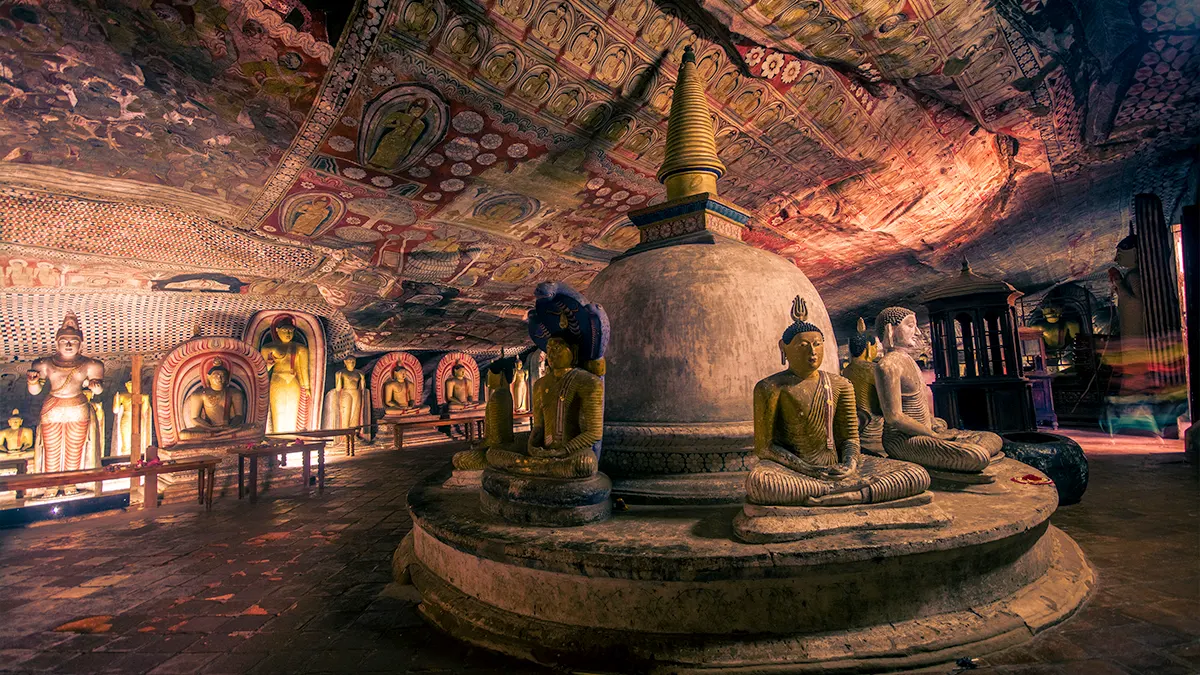
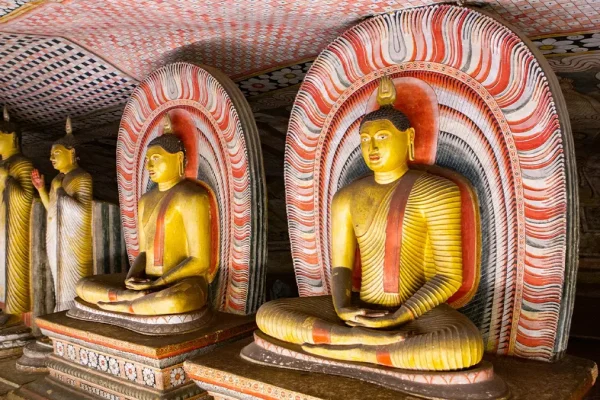
The largest and best-preserved cave temple complex in Sri Lanka, consisting of five main caves adorned with over 150 Buddha statues and extensive ceiling and wall murals.
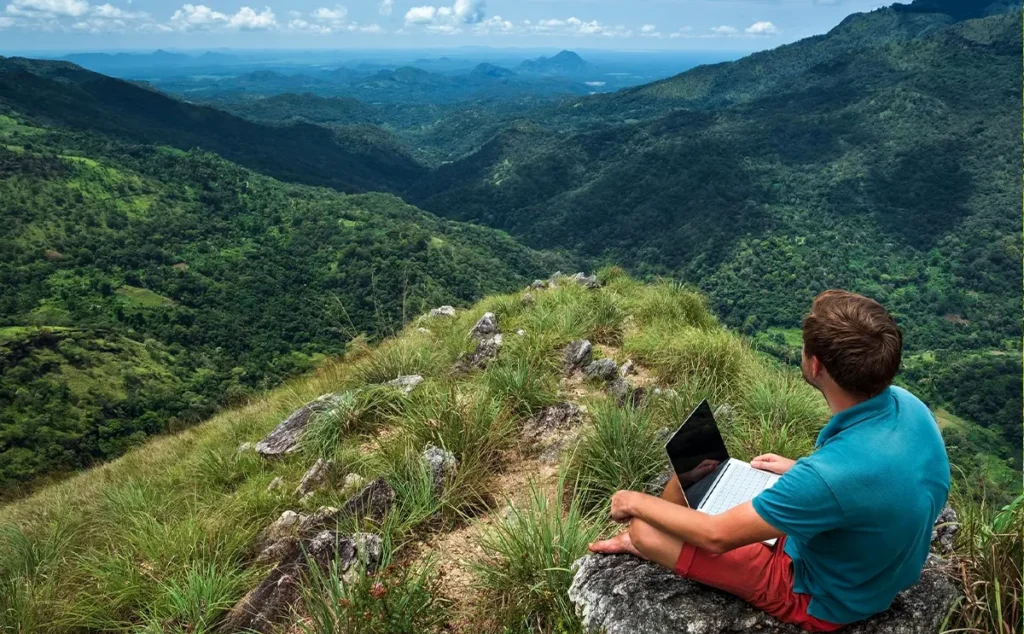
Panoramic Views from Dambulla Rock
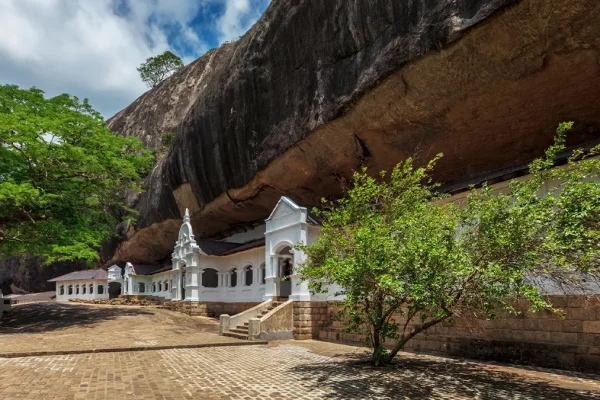
The climb to the cave temple offers sweeping views of the surrounding plains and countryside.
Ibbankatuwa Megalithic Burial Site
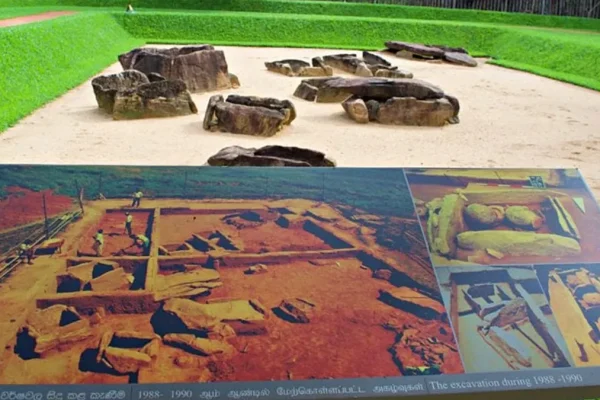
An important prehistoric cemetery providing insight into early human civilisation in Sri Lanka.
Dambulla Museum
Displays artefacts related to the region’s Buddhist and cultural history.
Proximity to Other Cultural Sites
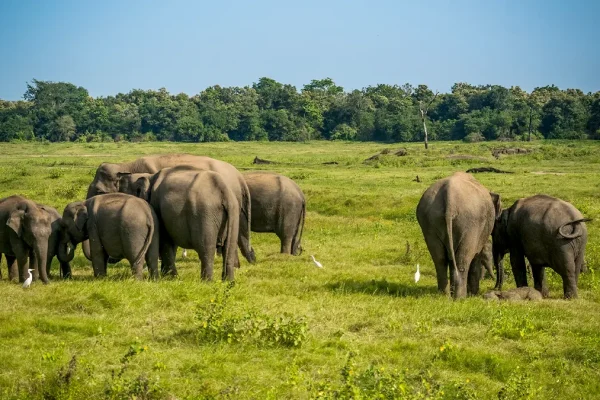
Dambulla serves as a convenient base for visiting Sigiriya Rock Fortress, Polonnaruwa, and Minneriya National Park.

Best Season to Visit Dambulla
Dambulla experiences a tropical climate and can be visited year-round, though certain months offer more comfortable conditions.
- The best time to visit is from December to March, when the weather is relatively dry, humidity is lower, and conditions are ideal for climbing and exploring the cave temples.
- April and July to September are suitable for travel with fewer crowds, though temperatures can be higher.
- The wettest months are May–June and October–November, when heavier rainfall may make outdoor exploration less convenient.
Related Tours