
The Best Time to Visit Sri Lanka: A Complete Month-by-Month Weather & Region Guide
One of the most common questions travelers ask when planning an island getaway is, “When is the best time to visit Sri Lanka?” The answer is uniquely flexible. Unlike many tropical destinations that essentially shut down during a single, nationwide rainy season, Sri Lanka is a true year-round destination. Because the island is affected by two separate weather systems that impact different coastlines at different times of the year, there is always a region experiencing beautiful, sunny weather.
At Baurs Travels, we have been blending Swiss precision with warm Sri Lankan hospitality since 1975. Our decades of expertise in crafting tailor-made tour packages mean we understand exactly how to navigate the island’s complex climate. Whether you are dreaming of a luxury beach retreat in Bentota, a thrilling wildlife safari in Yala National Park, or a cultural immersion in Kandy, timing your visit correctly ensures a seamless, unforgettable journey.
In this comprehensive guide, we will decode the Sri Lanka monsoon season, provide a detailed Sri Lanka weather by month breakdown, and help you determine the absolute best month to visit Sri Lanka based on your specific travel goals, interests, and preferred regions.
Understanding Sri Lanka’s Two Monsoon Seasons
To truly understand when to visit Sri Lanka, you must first understand its geography. The island features a central mountainous region that acts as a natural weather divide. When monsoon winds blow in from the ocean, these central highlands block the rain clouds from crossing over to the other side of the island. This topographical phenomenon means that while one coast is experiencing heavy rainfall, the opposite coast is typically basking in dry, sunny weather.
Sri Lanka’s climate is dictated by two primary monsoon systems, alongside two transitional “inter-monsoon” periods.
1. The Yala Monsoon (South-West Monsoon)
When it occurs: May to August (sometimes lingering into September)
Regions affected: The South Coast, West Coast, and the western-facing slopes of the Hill Country.
What to expect: During these months, destinations like Colombo, Bentota, Galle, and Nuwara Eliya receive their heaviest rainfall. The ocean along the southern and western coastlines becomes rough, making it unsuitable for swimming or water sports. However, this is the perfect time to head to the East Coast, which remains dry and sunny.
2. The Maha Monsoon (North-East Monsoon)
When it occurs: October to January
Regions affected: The East Coast, North Coast, and the Cultural Triangle.
What to expect: The Maha monsoon brings rain to destinations like Trincomalee, Pasikudah, and Arugam Bay. During this period, the eastern seas become turbulent. Conversely, the South and West coasts experience their prime dry season, characterized by calm, clear waters and brilliant sunshine.
3. The Inter-Monsoon Periods
When they occur: March to April and October to November
What to expect: These transitional phases occur as the winds shift direction. The weather during inter-monsoon periods can be unpredictable across the entire island. You can generally expect warm, sunny mornings followed by late afternoon or evening thunderstorms. Because the rain is usually localized and brief, travel is still highly enjoyable, provided you have an expertly planned itinerary.
Month-by-Month Weather Guide: When and Where to Go
Because the island’s climate is highly regional, choosing the right time for your holiday depends entirely on what you want to see and do. Below is a quick-reference table, followed by an in-depth Sri Lanka weather by month analysis to help you plan your bespoke journey.
Quick Reference: Weather & Regions at a Glance
| Month | Best Regions to Visit | Weather Overview |
| January | South Coast, West Coast, Hill Country, Cultural Triangle | Peak season. Dry, sunny, and warm in the south/west. Cool in the hills. |
| February | South Coast, West Coast, Hill Country, Cultural Triangle | Excellent nationwide weather. Low rainfall, high sunshine. |
| March | South Coast, West Coast, Hill Country | Temperatures begin to rise. Great beach weather before the inter-monsoon. |
| April | South Coast, West Coast, Central Highlands | Hot and humid. Afternoon showers increase. Festive season (New Year). |
| May | East Coast, Cultural Triangle, Northern Province | Yala monsoon begins in the southwest. East coast becomes prime. |
| June | East Coast, Cultural Triangle | South/west is wet. East coast is dry, sunny, and perfect for surfing. |
| July | East Coast, Cultural Triangle, Minneriya | Excellent weather in the east. The famous Elephant Gathering begins. |
| August | East Coast, Cultural Triangle, Kandy | Peak summer season for the east. Kandy Esala Perahera festival takes place. |
| September | East Coast, Cultural Triangle (early month) | Transitional month. Yala monsoon fades, but unpredictable showers can occur. |
| October | Island-wide (Shoulder Season) | Inter-monsoon period. High chance of afternoon thunderstorms nationwide. |
| November | South Coast, West Coast (late month) | Maha monsoon hits the east. South/west weather begins to clear up. |
| December | South Coast, West Coast, Hill Country | Peak winter season begins. Excellent beach weather in the south/west. |
January to March: The Prime Winter Escape
The first quarter of the year is widely considered the absolute best time to visit Sri Lanka for travelers looking to escape the Northern Hemisphere’s winter. During these months, the Yala monsoon is completely dormant, leaving the South and West coasts bathed in glorious sunshine.
- January: This is a peak travel month. The beaches of Bentota, Galle, and Mirissa are idyllic, with calm, clear waters perfect for swimming and snorkeling. In the Hill Country (Nuwara Eliya, Ella, Horton Plains), the days are bright and clear, though nighttime temperatures can drop significantly, sometimes requiring a light jacket.
- February: Often cited as the driest month across the island, February offers spectacular weather. It is an exceptional time for exploring destinations in the Cultural Triangle (Sigiriya, Dambulla) before the intense heat of the summer sets in. Wildlife safaris in southern parks like Bundala and Yala are highly productive during this dry spell.
- March: Temperatures begin to climb steadily as the island transitions toward the inter-monsoon period. The southern beaches remain beautiful, but the humidity increases. This is a fantastic month for spotting blue whales off the coast of Mirissa, as the ocean conditions remain favorable.
April: The Festive Transition
April is a transitional month, characterized by rising heat and humidity, followed by the onset of inter-monsoon afternoon showers. Historically, April is the hottest month in Sri Lanka. However, it is also one of the most culturally vibrant. The Sinhala and Tamil New Year falls in mid-April, bringing a festive atmosphere to the island. While businesses may close for a few days during the holiday, travelers can experience unique cultural traditions, local sweetmeats, and village celebrations. If you are traveling in April, we recommend focusing on the cooler Hill Country or enjoying the early morning hours on the South Coast before the afternoon heat peaks.
May to August: The East Coast Summer
As the Yala monsoon brings heavy rain and rough seas to the South and West coasts, the weather on the East Coast becomes spectacular. For travelers restricted to summer holidays, this is the best month to visit Sri Lanka for a beach vacation.
- May: The southwest monsoon officially arrives. While Colombo and Bentota experience heavy downpours, the East Coast (Trincomalee, Pasikudah, Arugam Bay) enters its dry season. The ocean on the east becomes calm, clear, and perfect for diving.
- June: The East Coast is in full swing. Arugam Bay, renowned globally as a surfer’s paradise, sees excellent swell, drawing wave riders from around the world. The Cultural Triangle also remains relatively dry, making it a great time to climb Sigiriya or explore the ancient ruins of Polonnaruwa.
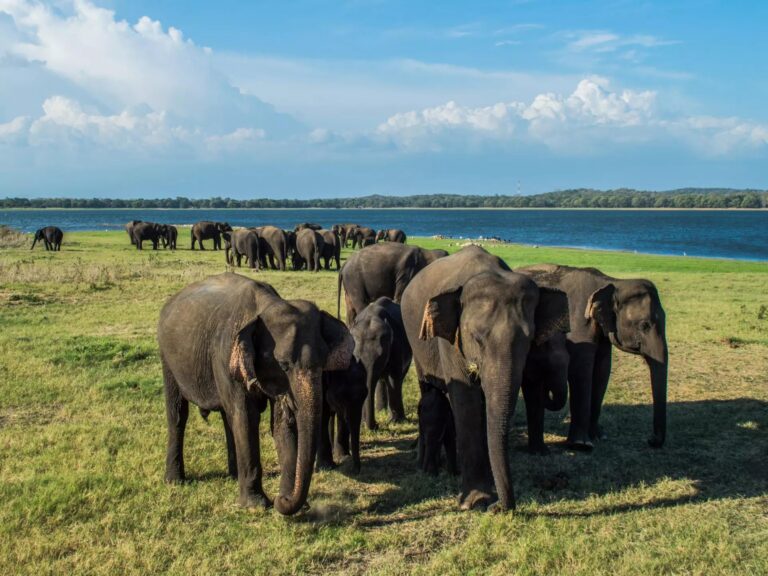
- July: This is a superb month for wildlife enthusiasts. As the dry season progresses in the North Central Province, water sources begin to dry up. This triggers the beginning of “The Gathering” at Minneriya National Park, where hundreds of wild elephants congregate around the remaining waters of the Minneriya tank—a truly unforgettable spectacle.
- August: August is a highly popular month for family travel. The East Coast beaches are pristine, and the weather in the Cultural Triangle remains favorable. Furthermore, August typically hosts the Kandy Esala Perahera, one of the grandest Buddhist festivals in the world, featuring illuminated processions, traditional dancers, and decorated elephants.
September to November: The Inter-Monsoon Shift
The autumn months represent the shoulder season in Sri Lanka. The weather is shifting, and predicting exact rainfall becomes challenging. However, for flexible travelers, this period offers fewer crowds and excellent value.
- September: The East Coast begins to wind down as the Yala monsoon on the opposite coast loses its strength. You can expect a mix of sunshine and scattered showers across the island. It is a great time for uncrowded safaris and enjoying the lush, post-rain landscapes of the Hill Country.
- October: October is deeply entrenched in the inter-monsoon period. Heavy afternoon and evening thunderstorms are common across the entire island. While full-day washouts are rare, travelers should plan their outdoor activities, such as temple visits or hikes, for the early morning.
- November: The Maha monsoon begins to impact the North and East coasts, bringing substantial rain. Meanwhile, the South and West coasts begin to clear up. By late November, the southern beaches start returning to their postcard-perfect state, signaling the start of the winter tourist season.
December: The Festive Winter Peak
December marks the triumphant return of the South and West coast peak season. The Maha monsoon is active in the east, meaning destinations like Trincomalee should be avoided. However, Colombo, Galle, Bentota, and the southern tip of the island enjoy brilliant sunshine, calm seas, and vibrant holiday energy. Because December is a peak travel time globally, we highly recommend booking your Baurs Travels bespoke itinerary well in advance to secure the best luxury accommodations and expert private driver guides.
Regional Deep Dive: The Best Time to Visit Specific Destinations
To further refine your travel plans, let’s look at the optimal timing for Sri Lanka’s distinct geographical zones.
The South and West Coasts (Colombo, Bentota, Galle, Mirissa)
Best Time: December to March
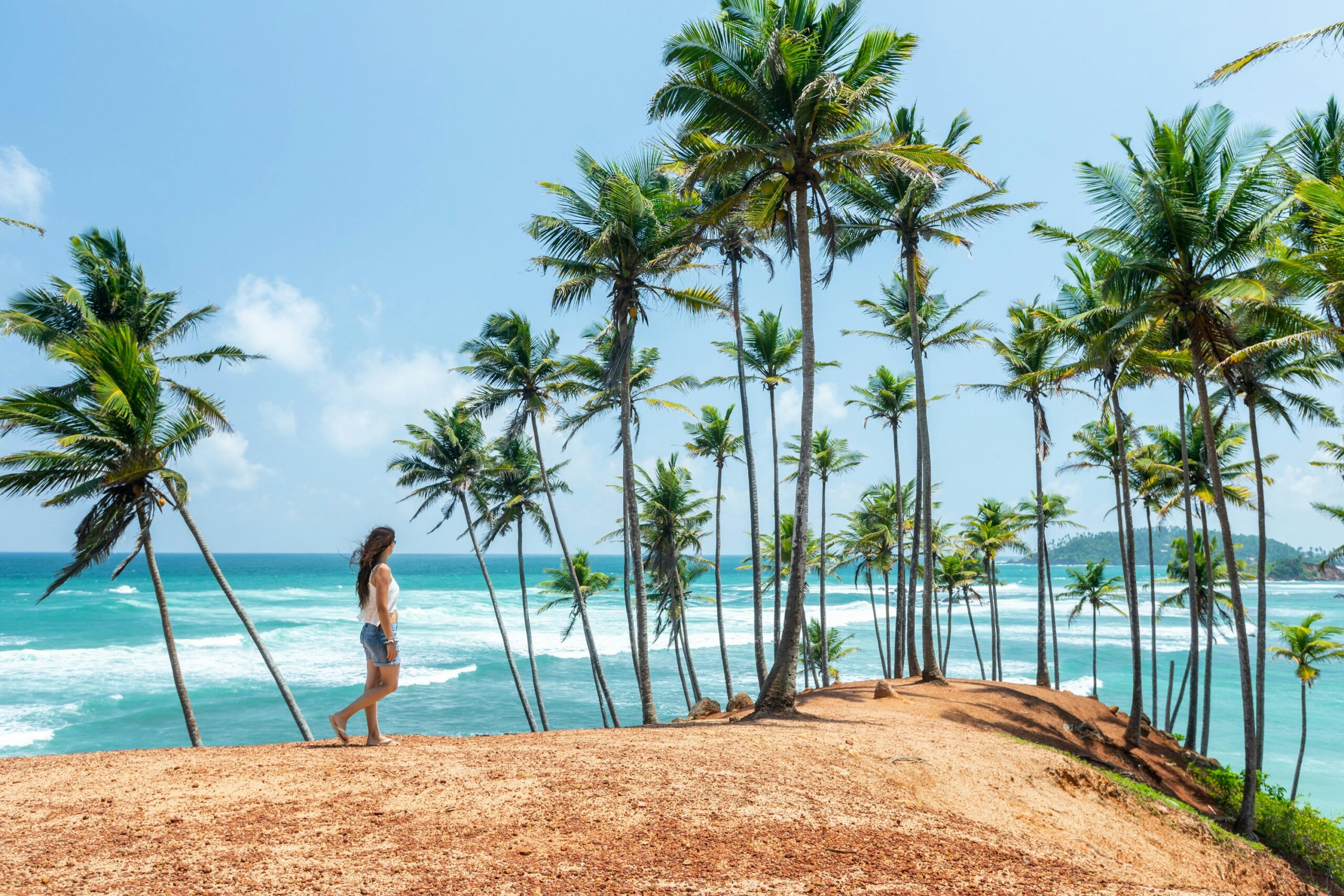
The southern and western shorelines are the most developed tourism hubs in Sri Lanka, offering luxury resorts, boutique villas, and vibrant nightlife. During the peak winter months, the Indian Ocean is incredibly calm, making it safe for swimming, snorkeling, and family beach days. If you visit during the Yala monsoon (May to August), expect red flags on the beaches indicating dangerous rip currents, and frequent, intense rain showers.
The East Coast (Arugam Bay, Pasikudah, Trincomalee)
Best Time: May to September
The East Coast is the ultimate summer destination. Pasikudah is famous for its shallow, calm bay where you can wade hundreds of meters into the ocean. Trincomalee offers exceptional snorkeling at Pigeon Island and whale watching. Arugam Bay is the epicenter of Sri Lanka’s surf culture. Visiting the East Coast between October and January is not recommended, as the Maha monsoon brings heavy rain and causes many seasonal hotels and restaurants to close.
The Cultural Triangle (Sigiriya, Dambulla, Polonnaruwa, Anuradhapura)
Best Time: January to March, and June to August
Located in the dry zone of the North Central Province, the Cultural Triangle generally receives less rainfall than the coasts. However, climbing the exposed rock fortress of Sigiriya or cycling through the ancient city of Polonnaruwa is exhausting in extreme heat or heavy rain. The early months of the year offer the most comfortable temperatures. The summer months (June to August) are also relatively dry, though temperatures can be high, making early morning excursions essential.
The Hill Country (Kandy, Nuwara Eliya, Ella, Horton Plains, Kitulgala)
Best Time: January to March
The central highlands offer a refreshing break from the tropical heat, with rolling tea plantations, dramatic waterfalls, and misty peaks. Because of the high altitude, the weather here is inherently more unpredictable. The best time for hiking Horton Plains or taking the famous train ride from Kandy to Ella is from January to March, when the skies are clearest and the risk of leeches and slippery trails is lowest. Kitulgala, the adventure capital known for white-water rafting, is also best enjoyed during these drier months.
Timing Your Trip for Specific Experiences
At Baurs Travels, we design itineraries based on the experiences that matter most to you. Here is how to time your trip for specific activities.
Best Time for Wildlife Safaris
Sri Lanka is one of the best wildlife destinations in Asia, but animal behavior is heavily dictated by water availability.
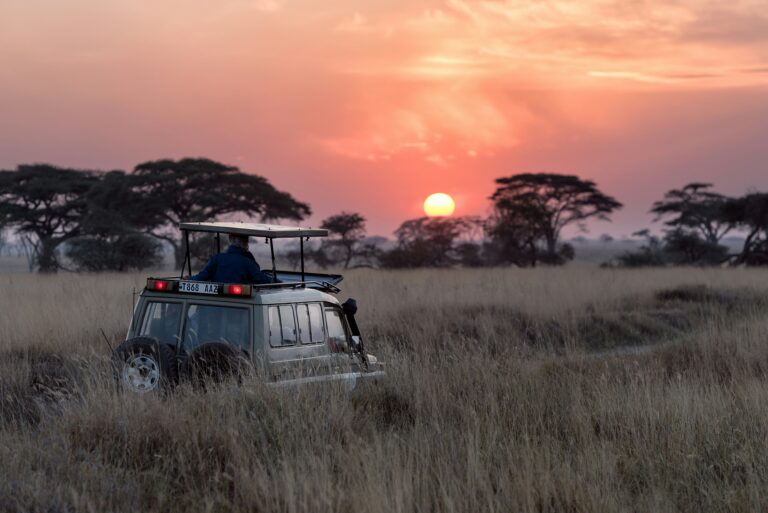
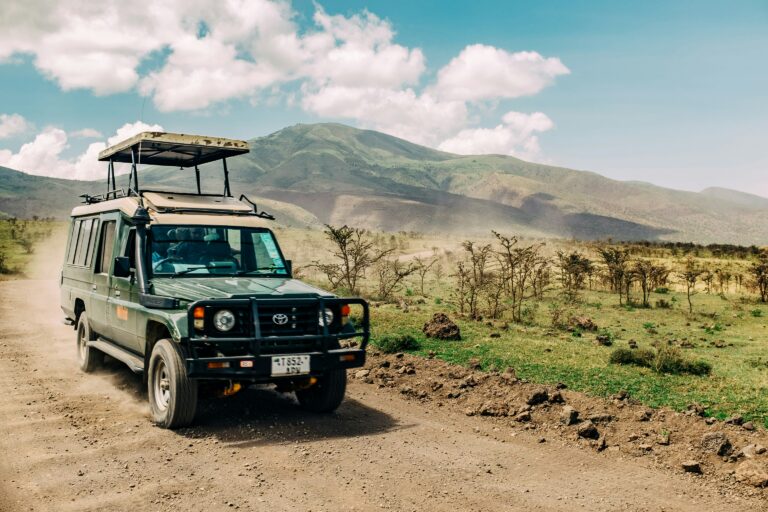
- Yala National Park: Famous for its high density of leopards. The best time to visit is during the dry season from February to July, when animals congregate around permanent waterholes. Note that Yala often closes for a month in September or October to allow the park to recover from drought.
- Minneriya National Park: The best month to visit Sri Lanka for elephant lovers is August. Between July and September, up to 300 wild elephants gather on the shores of the Minneriya reservoir to feed on fresh grass.
- Bundala National Park: A paradise for birdwatchers. The best time to visit is between November and March, when thousands of migratory birds arrive to escape the Northern Hemisphere winter.
Best Time for Surfing and Watersports
Your choice of coast dictates your surfing season. For beginners and longboarders, the South Coast (Weligama, Hiriketiya) is ideal from November to April. Advanced surfers seeking world-class point breaks should head to Arugam Bay on the East Coast between May and September. If kitesurfing is your passion, Kalpitiya on the northwest coast has two distinct windy seasons: May to October and December to March.
Best Time to Avoid Crowds and Save Money
If you prefer a quieter experience and better value on luxury accommodations, consider traveling during the shoulder seasons of April, September, October, and November. While you must be prepared for unpredictable inter-monsoon showers, the rain rarely lasts all day. You will benefit from uncrowded historical sites, intimate wildlife encounters, and highly personalized service. With a private driver guide from Baurs Travels, navigating the occasional downpour is seamless and stress-free.
Planning Your Itinerary with Baurs Travels
Understanding the Sri Lanka monsoon season and regional weather patterns is only the first step in planning your journey. The real magic lies in connecting the dots to create a flawless itinerary that maximizes your time, comfort, and enjoyment.
Since 1975, the Travel Division of A. Baur & Co. has set the industry benchmark for reliability and professionalism. We do not offer off-the-shelf, one-size-fits-all packages. Instead, we leverage our decades of local expertise to design bespoke tour itineraries that adapt to the island’s dynamic climate. If you are traveling in August, we know exactly how to route you through the Cultural Triangle and onto the pristine beaches of the East Coast. If you arrive in January, we will craft a journey that highlights the majestic South Coast and the crisp, clear Hill Country.
Our commitment to Swiss standard service means meticulous attention to detail. From the moment you arrive, you will be accompanied by an expert private driver guide who not only navigates the roads safely but also serves as your cultural ambassador, adjusting daily plans as needed to ensure you experience the very best of Sri Lankan hospitality.
Frequently Asked Questions
Is there a bad time to visit Sri Lanka?
There is no universally bad time to visit Sri Lanka, as the island enjoys year-round warmth and sunshine. The key is to choose the correct region based on the monsoon seasons. When the South and West coasts are experiencing heavy rain (May to August), the East Coast is dry and sunny, and vice versa.
What is the Sri Lanka monsoon season like?
Sri Lanka has two distinct monsoon seasons: the Yala monsoon (May to August) affecting the southwest, and the Maha monsoon (October to January) affecting the northeast. Unlike some tropical destinations where it rains continuously for days, Sri Lankan monsoons typically feature short, heavy, and dramatic downpours, often followed by periods of bright sunshine.
When is the best time for a wildlife safari in Sri Lanka?
The best time for a safari depends entirely on the national park you wish to visit. For leopard spotting in Yala National Park, the dry season from February to July is ideal. For witnessing the famous Elephant Gathering at Minneriya National Park, you should plan your visit between July and September.
How many days do I need for a Sri Lanka tour?
To truly experience the diversity of Sri Lanka without rushing, we recommend a tailor-made itinerary of 7 to 14 days. This allows enough time to explore the ancient ruins of the Cultural Triangle, enjoy a wildlife safari, journey through the scenic Hill Country, and relax on the beach.
When is the best month to visit Sri Lanka for honeymooners?
For honeymooners seeking a classic luxury beach experience in the South or West (such as Bentota or Galle), January through March offers perfect, sunny weather. If you are planning a summer honeymoon, June through August is spectacular for visiting the pristine, romantic beaches of the East Coast.
Your dream Sri Lankan adventure awaits, regardless of the season. Let our team of seasoned travel experts remove the guesswork from your planning process. By combining your travel goals with our intimate knowledge of the island’s weather patterns, we guarantee an extraordinary, bespoke journey. Ready to explore the pearl of the Indian Ocean with Swiss precision and Sri Lankan warmth? Contact Baurs Travels today to begin crafting your unforgettable, tailor-made luxury tour.