Wilpattu National Park is located in the North-Western and North-Central Provinces of Sri Lanka, close to Anuradhapura, Puttalam, and Mannar. It is the largest and one of the oldest national parks in Sri Lanka, covering an area of about 1,317 km². Wilpattu was first declared a wildlife sanctuary in 1905 and later gazetted as a national park on 25 December 1938.
The name Wilpattu means “Land of Lakes”, derived from the many natural water basins known as “Willus”. These rain-fed lakes are a unique feature of the park and have sustained wildlife for centuries.
Wilpattu also has historical and legendary importance. According to ancient chronicles, the area is associated with Prince Vijaya, the legendary founder of the Sinhalese nation, and Queen Kuweni, linking the park to the early history of Sri Lanka. Archaeological remains and ancient settlements found in and around the park further highlight its cultural significance.
The park was closed to visitors for several years during the Sri Lankan civil conflict (1988–2003) due to security concerns. It was later reopened, allowing conservation efforts to continue and wildlife populations to recover naturally.
Major Tourist Attractions in Wilpattu National Park
Wildlife Safari (Jeep Safaris)
The main attraction of Wilpattu is its wildlife safaris, which take visitors through dense forests, open plains, and lake-filled landscapes. Jeep safaris offer opportunities to observe animals in their natural habitats.
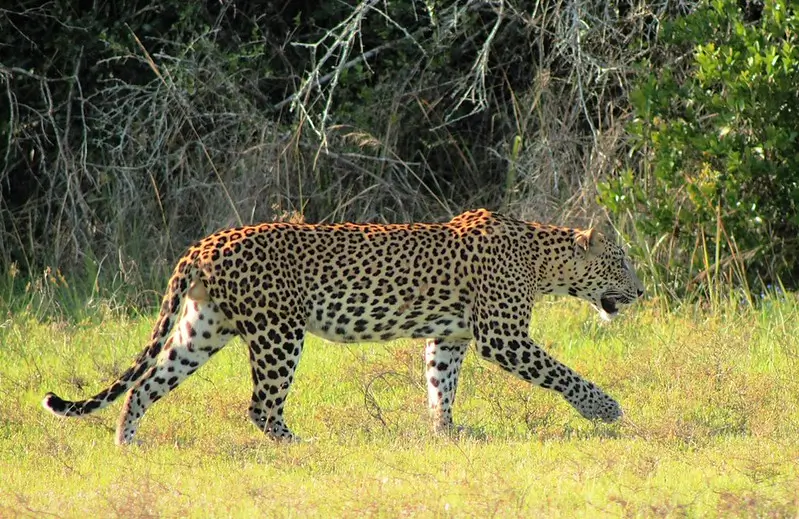
Leopards
Wilpattu is world-famous for the Sri Lankan leopard (Panthera pardus kotiya). Although leopards are more elusive here than in Yala, the park supports a healthy population, making sightings special and rewarding for visitors.
Sloth Bears
The Sri Lankan sloth bear is another major highlight. These animals are often seen during the fruiting season, especially near the Willus, making Wilpattu one of the best places in Sri Lanka to spot them.
Elephants and Other Mammals
Wilpattu is home to Asian elephants, spotted deer, sambar deer, wild boar, jackals, water buffalo, and many other mammals, offering a rich safari experience.
Bird Watching
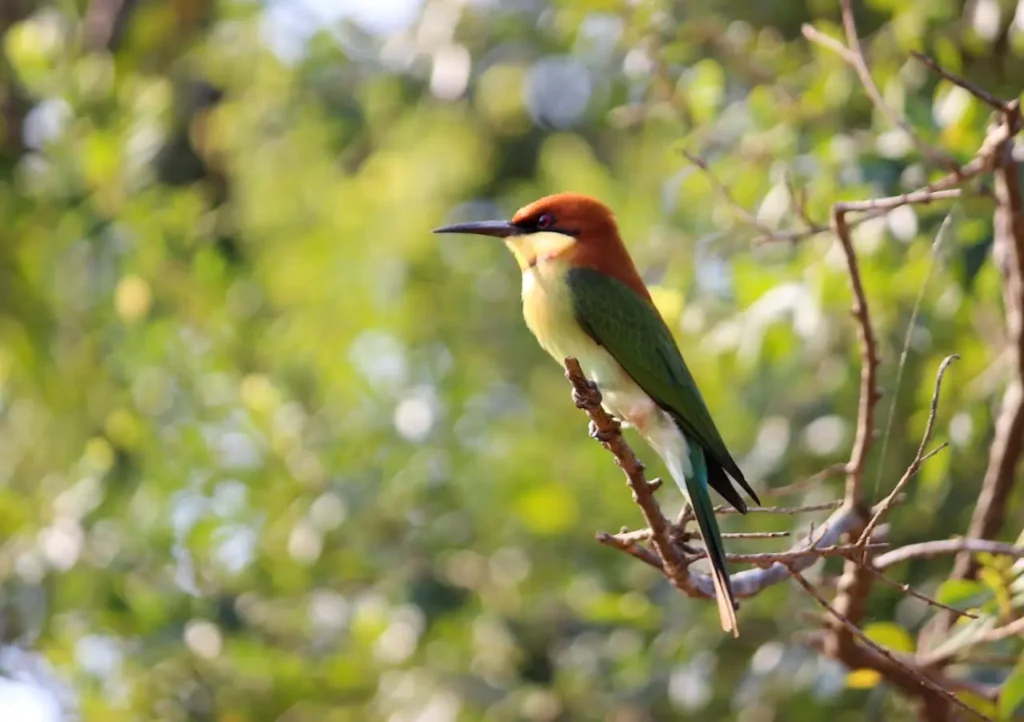
With over 200 species of birds, Wilpattu is a paradise for bird watchers. Water birds and migratory species are commonly seen around the Willus, especially during the dry season.
Willus (Natural Lakes)
The park’s distinctive Willus are scenic natural lakes that attract wildlife, making them ideal spots for animal sightings and wildlife photography.
Best Season to Visit Wilpattu National Park
Wilpattu National Park is a remarkable destination that combines ancient history, unique landscapes, and exceptional wildlife diversity. Known for its natural lakes, elusive leopards, sloth bears, and peaceful safari environment, Wilpattu offers a more serene and less crowded wildlife experience compared to other parks in Sri Lanka. Visiting during the February to October dry season provides the best opportunity to enjoy safaris and witness the park’s rich biodiversity at its finest.
The best time to visit Wilpattu National Park is from February to October. During this period, rainfall is low, and animals gather around the Willus, increasing the chances of wildlife sightings.
The dry season from May to September is particularly favorable for safaris, as water sources shrink and wildlife becomes easier to spot. June and July are considered good months for observing sloth bears due to seasonal fruit availability.
The rainy season, mainly October to January, brings heavier rainfall, which can make safari conditions more challenging and wildlife sightings less predictable.