
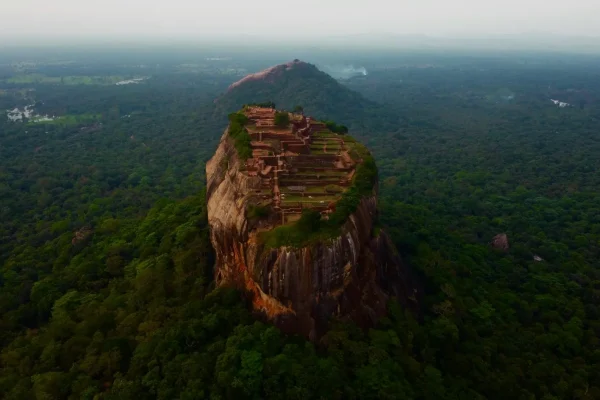
Sigiriya Sri Lanka
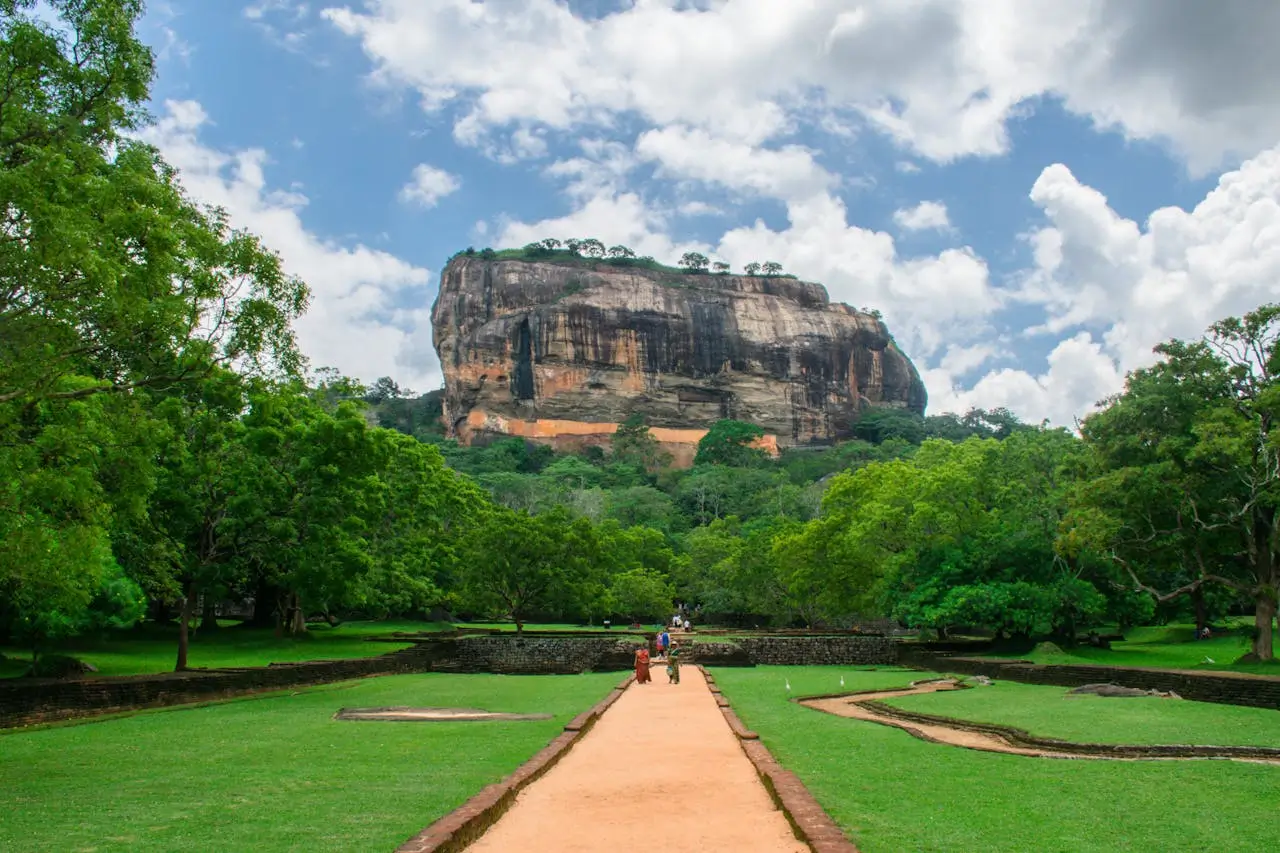
Sigiriya is one of Sri Lanka’s most iconic historical sites and is located in the Central Province, within the country’s famous Cultural Triangle. The site is dominated by a massive rock formation known as Sigiriya Rock or Lion Rock, rising about 200 metres above the surrounding plains. Sigiriya gained historical importance during the 5th century AD, when King Kashyapa I built a royal palace and fortress on top of the rock after moving his capital from Anuradhapura.
According to historical chronicles, King Kashyapa transformed Sigiriya into a well-planned city with royal gardens, water gardens, fountains, frescoes, and defensive structures. After his death, Sigiriya was abandoned as a royal capital and later used as a Buddhist monastery for several centuries. Today, Sigiriya is recognized as a UNESCO World Heritage Site and is considered one of the finest examples of ancient urban planning and engineering in Sri Lanka.
Major Tourist Attractions in Sigiriya

Sigiriya Frescoes
The main attraction is the rock fortress itself, where visitors climb to the summit to see the remains of the royal palace and enjoy panoramic views of the surrounding countryside. The entrance is marked by the famous Lion Paws, from which the rock gets its name.
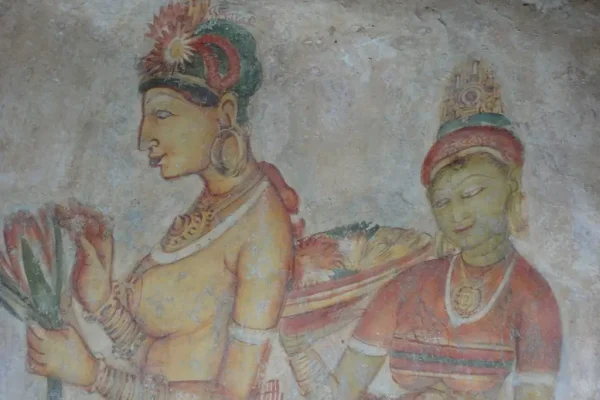
Halfway up the rock are the world-famous Sigiriya frescoes, depicting graceful female figures painted on the rock surface. These paintings are among the best-preserved ancient frescoes in Asia and reflect advanced artistic skill of the period.
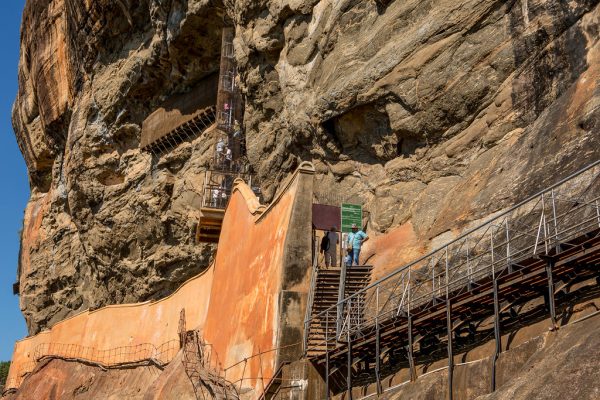
Mirror Wall
The Mirror Wall, once polished to a high sheen, contains ancient inscriptions and graffiti written by visitors over a thousand years ago, offering valuable insight into early Sri Lankan literature and culture.
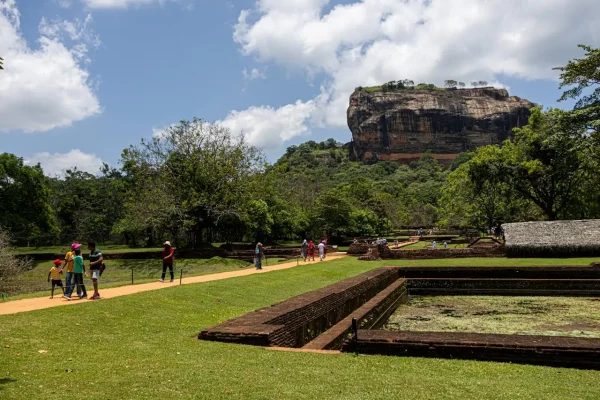
Water Gardens and Boulder Gardens
At the base of the rock lie the royal water gardens, boulder gardens, and terraced gardens, considered some of the oldest landscaped gardens in the world, showcasing sophisticated hydraulic engineering.
Pidurangala Rock (Nearby)
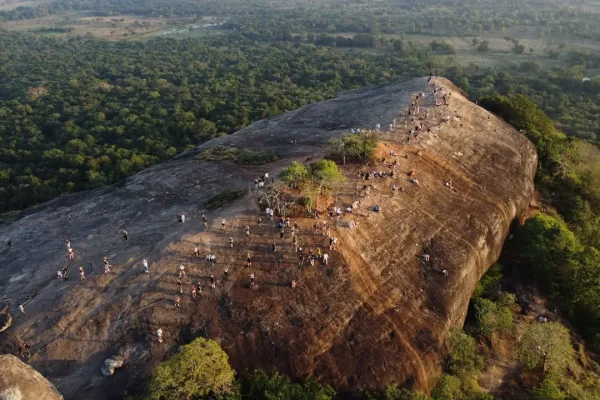
Located close to Sigiriya, Pidurangala Rock offers a less crowded climb and spectacular views of Sigiriya Rock, especially at sunrise and sunset.
Best Season to Visit Sigiriya
- The best time to visit Sigiriya is from December to March, during the dry season, when weather conditions are sunny and ideal for climbing the rock and exploring outdoor gardens safely.
- Another favorable period is July to September, which also offers relatively dry weather and fewer crowds. The wet season, from May to June and October to November, brings heavier rainfall, making the rock steps slippery and the climb more challenging.
- For the best experience, visitors are advised to start the climb early in the morning to avoid heat and crowds, regardless of the season.
Related Tours