
Colombo Sri Lanka
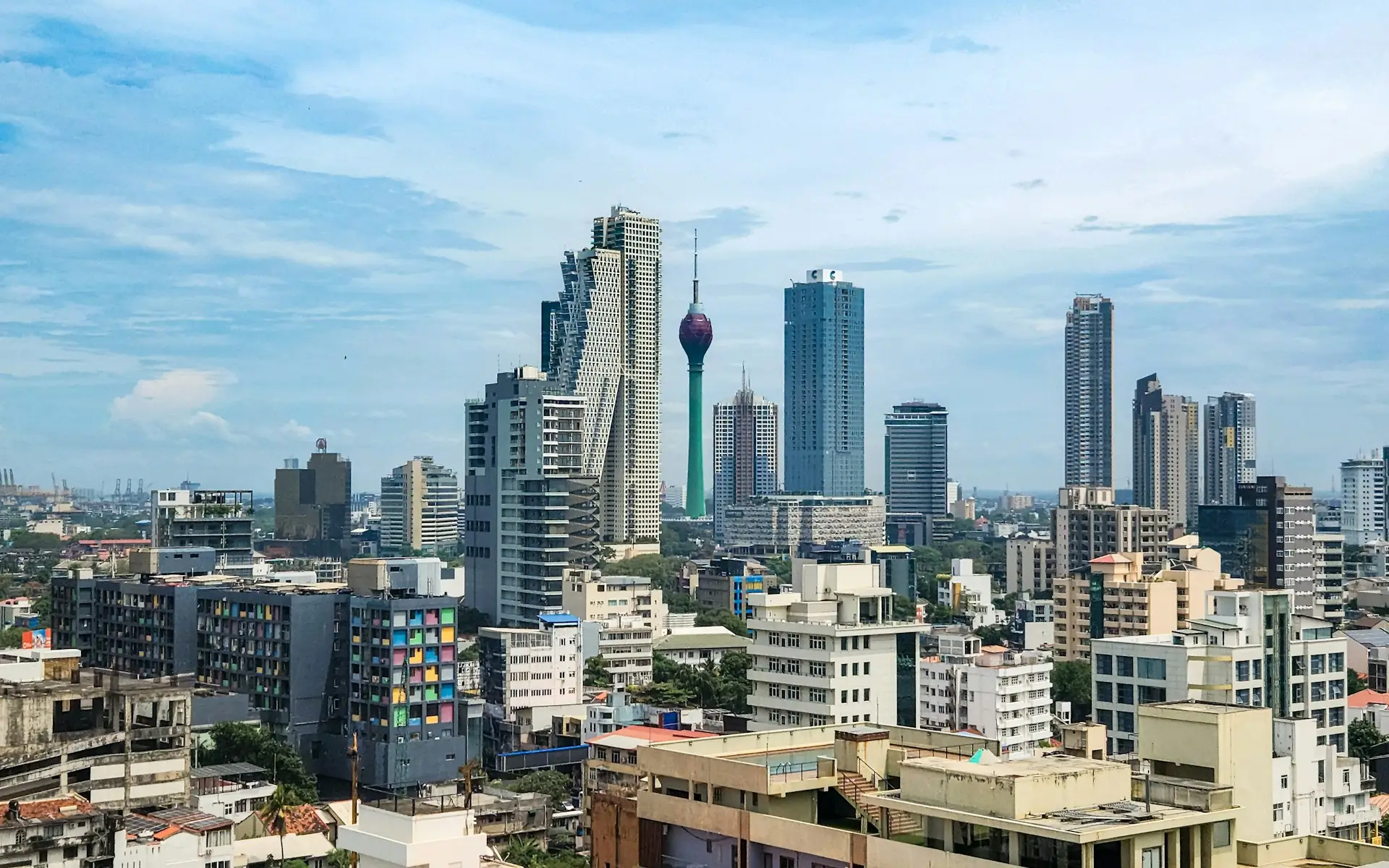
Colombo is Sri Lanka’s largest city and commercial capital, located on the island’s western coast. Its history spans over 2,000 years, largely shaped by its natural harbour and strategic position along major Indian Ocean trade routes. Long before European colonisation, Arab traders had settled in Colombo, using it as a key port for commerce.
The city gained prominence after the arrival of the Portuguese in 1505, who established a trading post and fortified the harbour. Control later passed to the Dutch in the 17th century, followed by the British in 1796, under whom Colombo became the capital of Ceylon in 1815. When Sri Lanka gained independence in 1948, Colombo retained its importance, and although administrative functions were later shifted to Sri Jayewardenepura Kotte, Colombo remains the country’s financial, cultural, and commercial hub. Today, the city reflects a rich blend of colonial heritage and modern urban development.
Major Tourist Attractions in Colombo

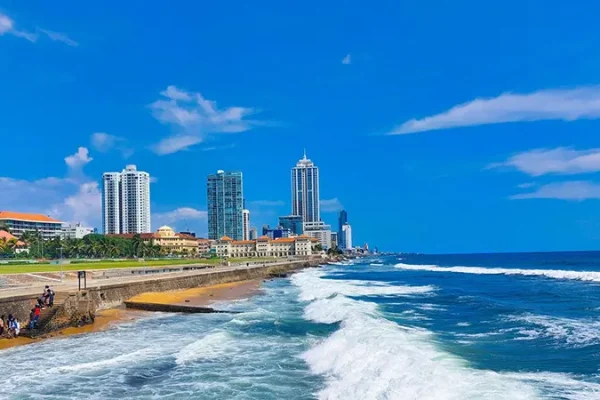
Galle Face Green
A popular oceanfront promenade ideal for evening walks, street food, and sunset views.
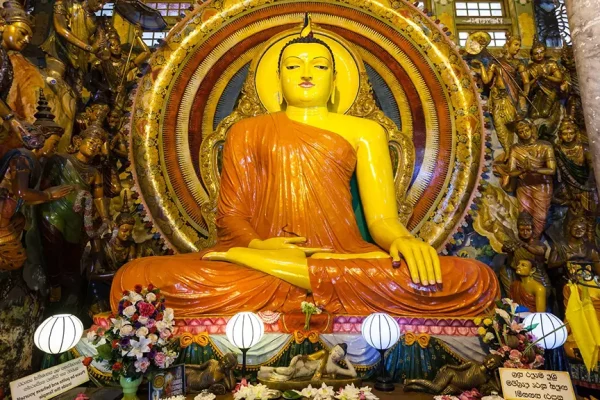
Gangaramaya Temple
One of Colombo’s most important Buddhist temples, blending traditional architecture with modern design.
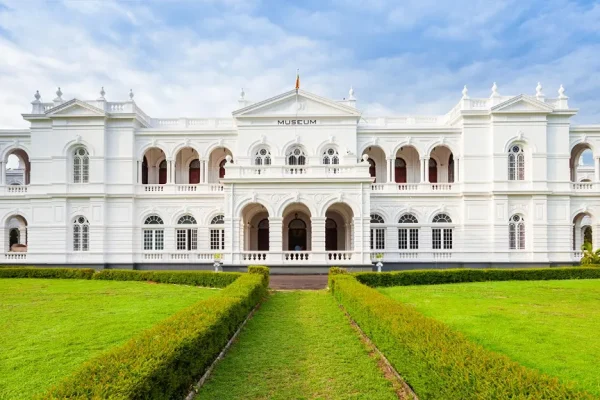
National Museum of Colombo
The largest museum in Sri Lanka, showcasing the country’s cultural, historical, and archaeological heritage.
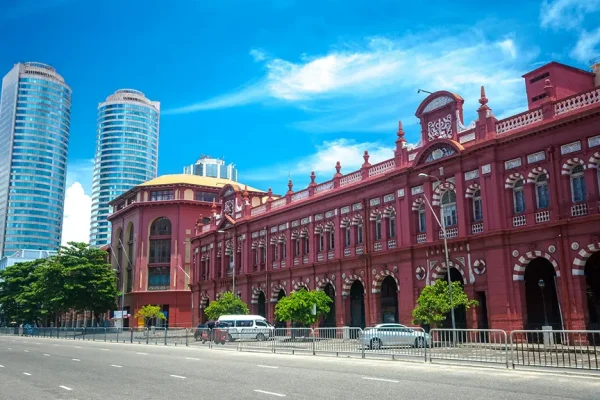
Colombo Fort & Pettah
Historic districts featuring colonial buildings, bustling markets, and commercial centres.
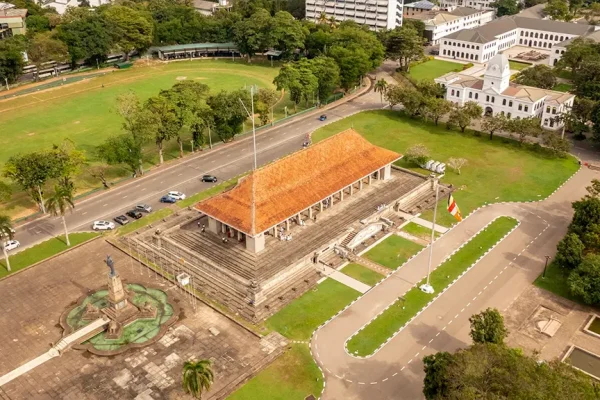
Independence Memorial Hall
A national monument commemorating Sri Lanka’s independence from British rule.
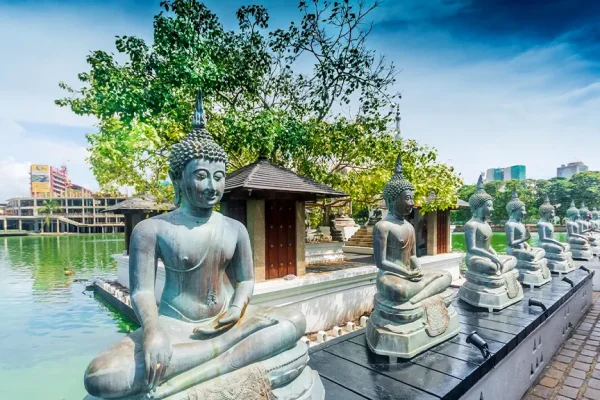
Beira Lake & Seema Malaka Temple
A tranquil urban lake with a floating temple designed by Geoffrey Bawa.
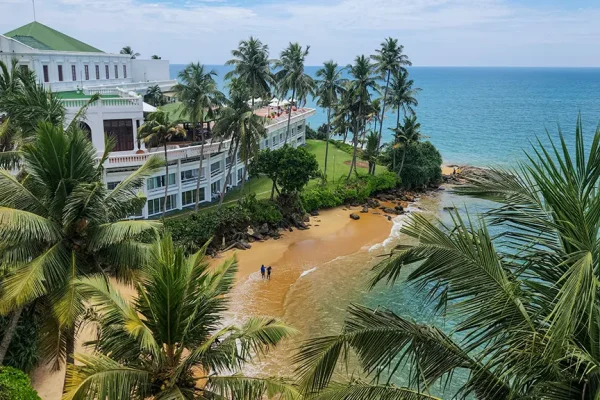
Mount Lavinia Beach
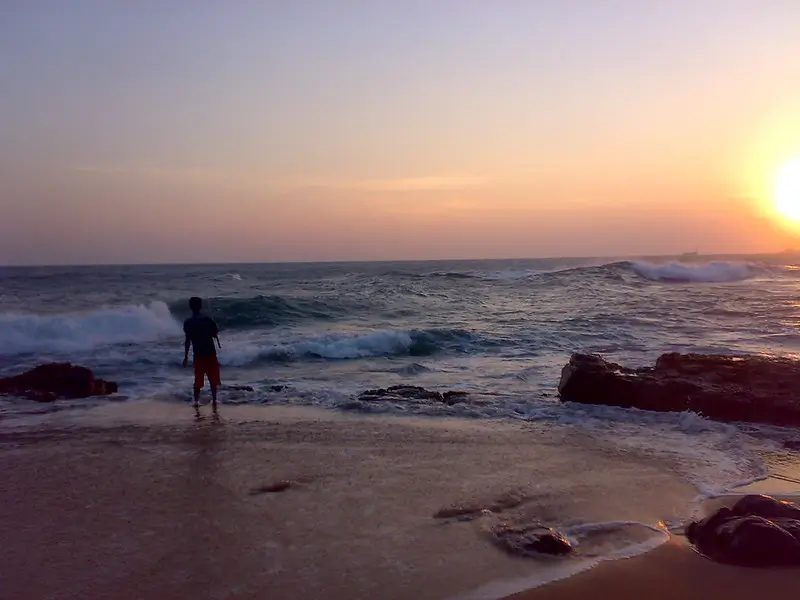
A nearby beach destination popular for swimming, dining, and sunsets.
Best Season to Visit Colombo
Colombo has a tropical monsoon climate and can be visited year‑round, but certain months offer more pleasant conditions.
- The best time to visit is from January to March and in December, when the weather is relatively dry, humidity is lower, and conditions are ideal for sightseeing and outdoor activities.
- From May to September, the southwest monsoon brings heavier rainfall and higher humidity, which may affect outdoor exploration.
- October and November experience intermittent rain due to the northeast monsoon but are still suitable for indoor attractions and cultural visits.
Related Tours