
Polonnaruwa Sri Lanka
Polonnaruwa is one of Sri Lanka’s most important ancient cities and is located in the North Central Province, within the country’s famous Cultural Triangle. It became the second capital of Sri Lanka after the decline of Anuradhapura and flourished mainly between the 10th and 13th centuries AD. The city rose to prominence after invasions from South India, when rulers established Polonnaruwa as a strong political, religious, and economic center.
Polonnaruwa reached its golden age under King Parakramabahu I, who developed advanced irrigation systems and declared that no drop of water should be wasted. Massive tanks, canals, palaces, monasteries, and temples were built during this period, making Polonnaruwa one of the most well-planned ancient cities in South Asia. Today, the remains of this kingdom are recognized as a UNESCO World Heritage Site, admired for their excellent preservation and architectural achievement.
Major Tourist Attractions in Polonnaruwa

Ancient City of Polonnaruwa
The main attraction is the vast archaeological complex, featuring royal palaces, audience halls, temples, stupas, and monasteries. Visitors can explore the ruins by bicycle or on foot, gaining insight into ancient Sri Lankan civilization.
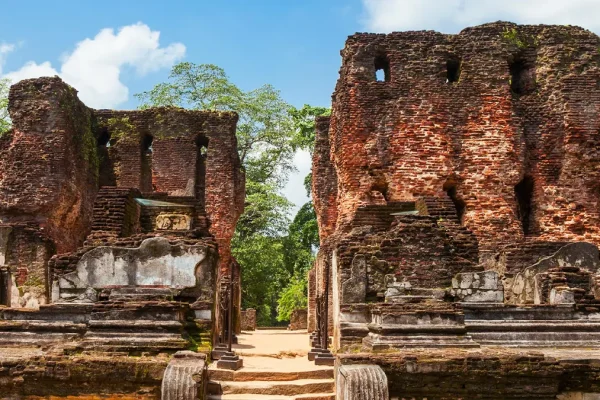
Royal Palace of King Parakramabahu
This impressive structure was once a multi-storey palace and reflects the grandeur of Polonnaruwa’s royal architecture. Nearby are the Council Chamber and royal bathing pools.
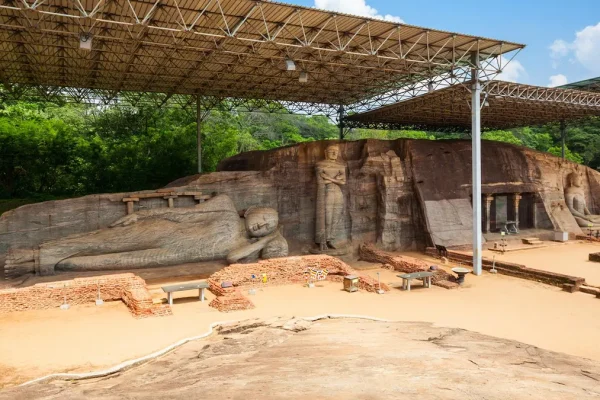
Gal Vihara
Gal Vihara is one of the most famous sites in Polonnaruwa, featuring four magnificent Buddha statues carved from a single granite rock. These statues are considered masterpieces of ancient Sri Lankan sculpture.
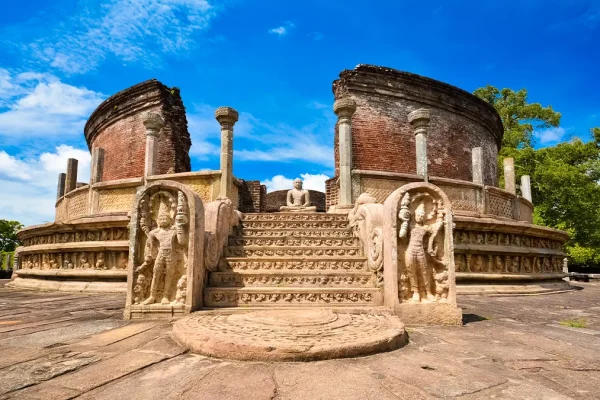
Vatadage
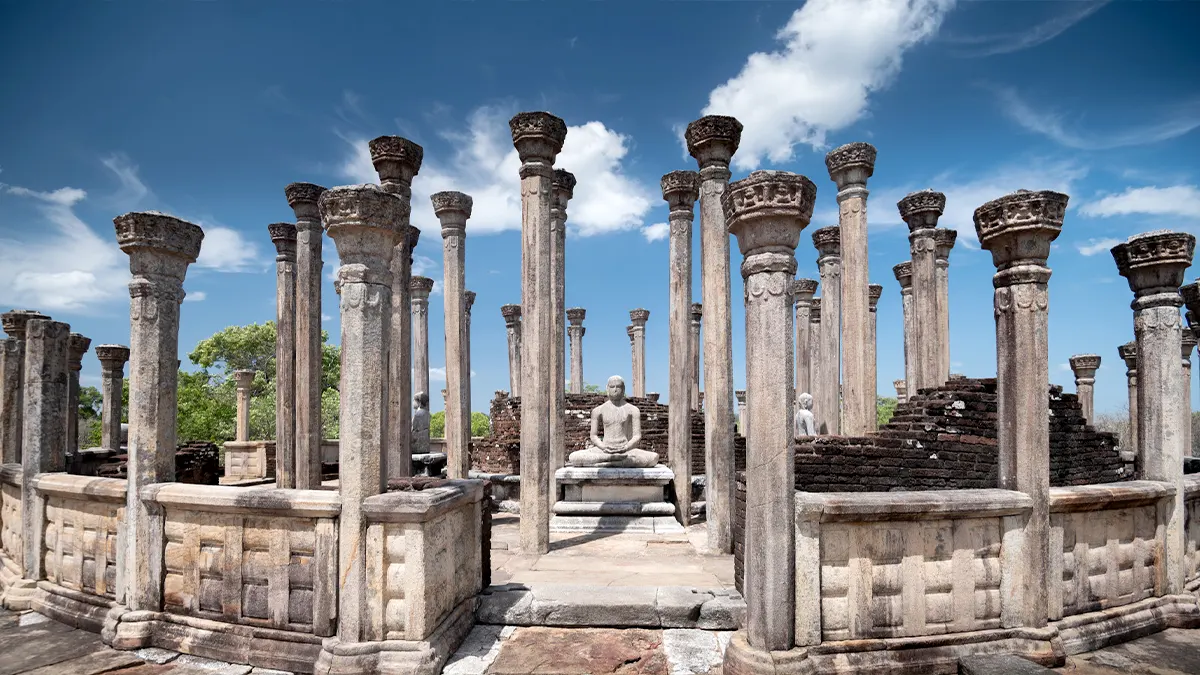
The Vatadage is a beautifully designed circular relic house with stone carvings and guard stones. It is believed to have housed a sacred Buddhist relic and is one of the finest examples of Polonnaruwa architecture.
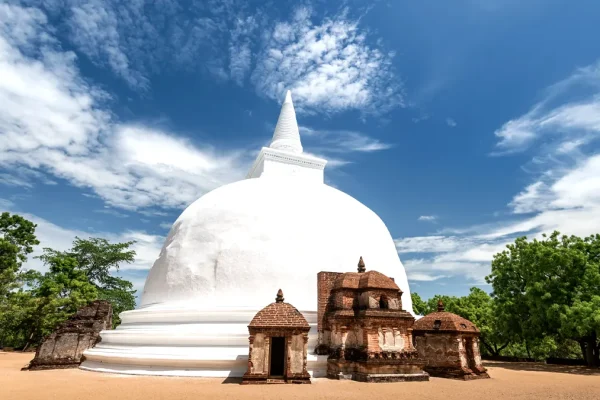
Rankoth Vehera and Kiri Vehera
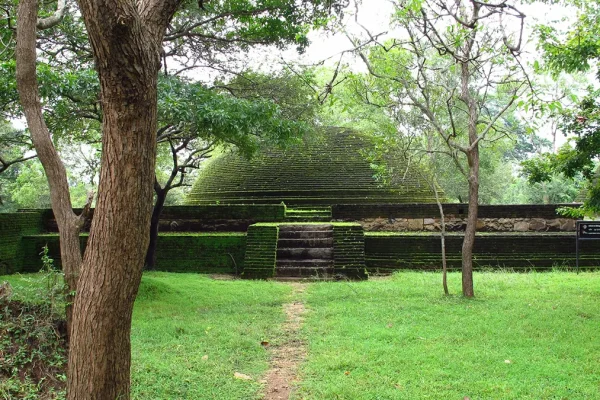
These large stupas reflect the religious importance of Polonnaruwa and the influence of Anuradhapura-era architecture. Kiri Vehera is particularly notable for being well preserved.
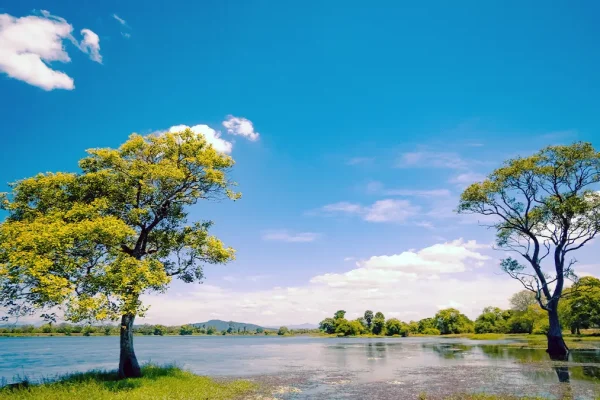
Parakrama Samudra
This massive man-made reservoir is a symbol of King Parakramabahu’s irrigation achievements and still supports agriculture today.
Best Season to Visit Polonnaruwa
Polonnaruwa is one of Sri Lanka’s most remarkable historical destinations, offering a deep insight into the island’s ancient civilization, religious heritage, and engineering excellence. With its well-preserved ruins, impressive stone sculptures, and vast irrigation works, Polonnaruwa stands as a testament to Sri Lanka’s golden age. Visiting during the dry season allows travelers to fully appreciate its outdoor monuments and cultural significance.
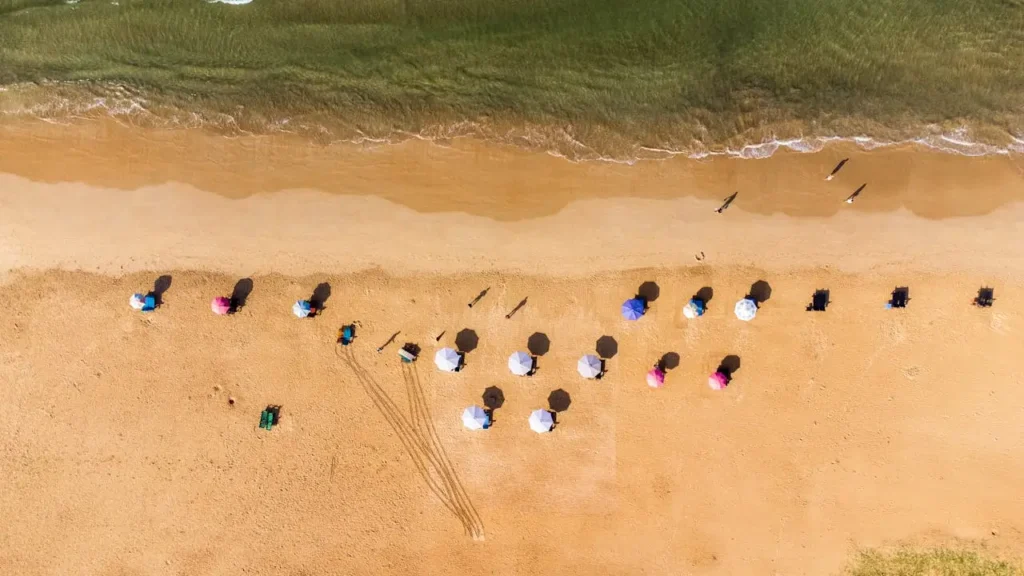
- The best time to visit Polonnaruwa is from May to October, when the region experiences dry weather with minimal rainfall, making it ideal for exploring outdoor ruins comfortably.
- Another favorable period is the dry season from December to April, which also offers clear skies and good conditions for sightseeing, though temperatures can be higher and crowds more frequent.
- It is recommended to explore the ruins early in the morning or late afternoon to avoid midday heat, regardless of the season.