
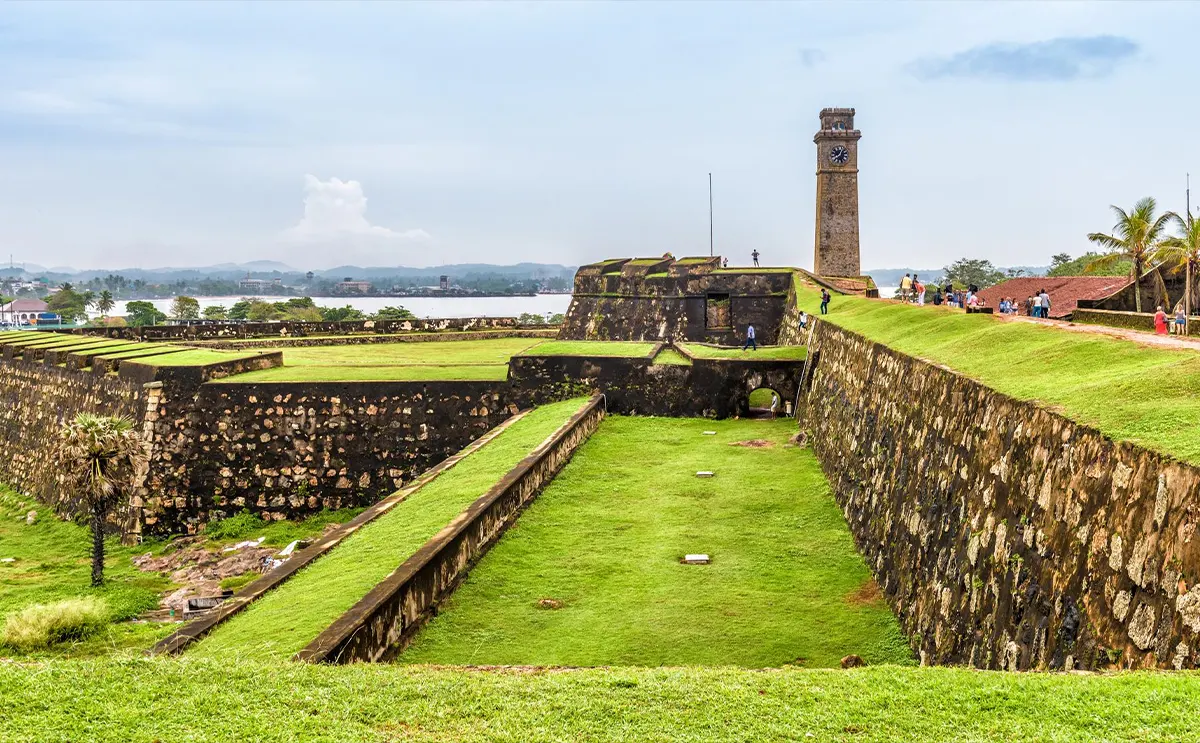
Galle Sri Lanka
Galle is a historic coastal city located on the south-western tip of Sri Lanka, and it has played a key role in the island’s maritime and colonial history for centuries. Long before European arrival, Galle—then known as Gimhathiththa—was an important port used by Arab, Persian, Chinese, and Indian traders. The Moroccan traveler Ibn Battuta referred to the city in the 14th century, confirming its significance as a trading hub well before colonial rule.
The city’s modern historical identity began with the arrival of the Portuguese in the early 16th century, who built the first fortifications around the harbour. In 1640, control passed to the Dutch, who expanded and strengthened the fort into a heavily fortified city. Galle reached the height of its development during the Dutch colonial period in the 18th century. The British later took control in 1796, after which Colombo replaced Galle as the island’s main port.
The Old Town of Galle and its Fortifications was designated a UNESCO World Heritage Site in 1988, recognised as the finest example of a fortified city built by Europeans in South and Southeast Asia, blending European architectural styles with South Asian traditions.
Major Tourist Attractions in Galle

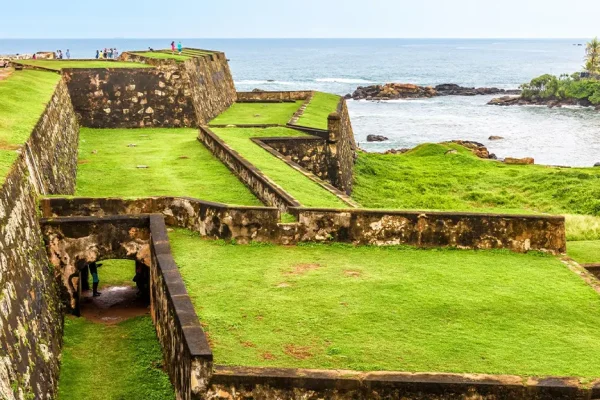
Galle Fort
A UNESCO World Heritage Site featuring massive ramparts, cobblestone streets, bastions, and well-preserved Dutch-era buildings.
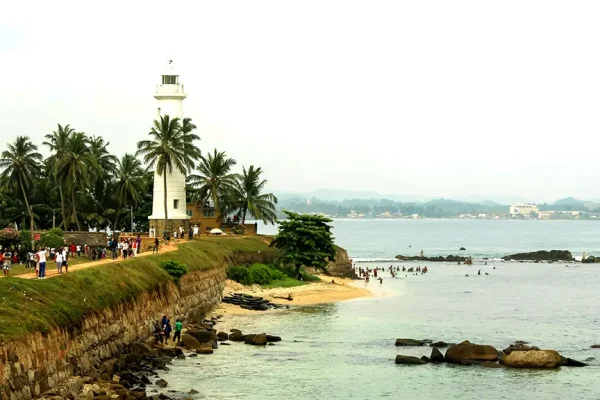
Galle Lighthouse
Sri Lanka’s oldest lighthouse, located within the fort walls, offering scenic ocean views.
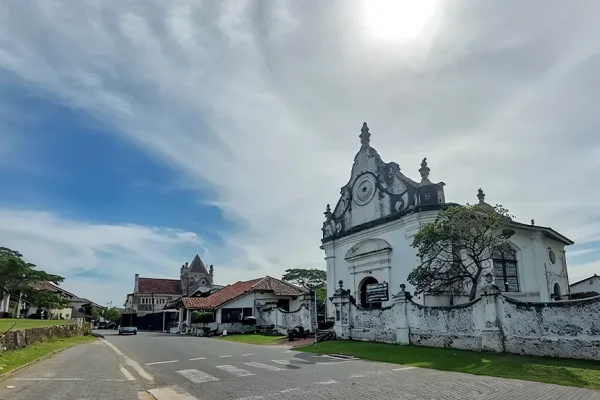
Dutch Reformed Church & Groote Kerk
Historic churches reflecting Dutch colonial architecture and heritage.
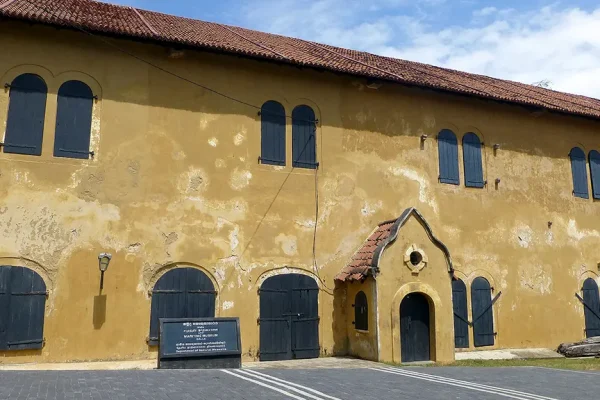
National Maritime Museum
Showcases Sri Lanka’s maritime history and the role of Galle as a major port.
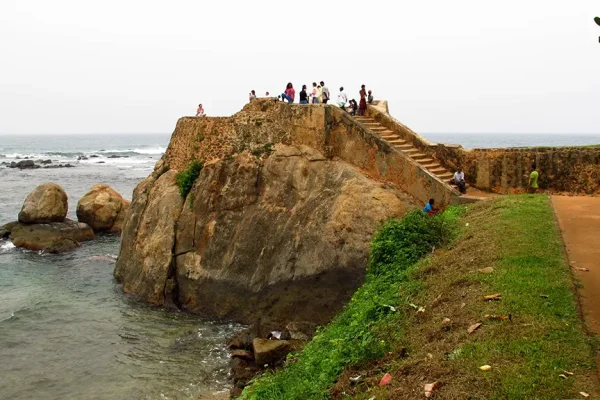
Fort Ramparts & Flag Rock Bastion
Popular spots for sunset views and leisurely walks along the ocean.
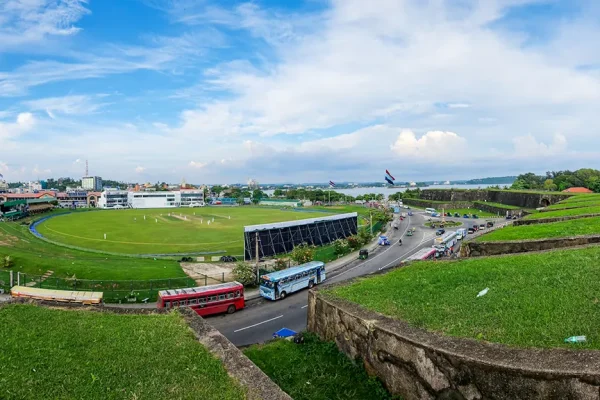
Galle International Cricket Stadium
One of the most scenic cricket grounds in the world, set beside the fort.
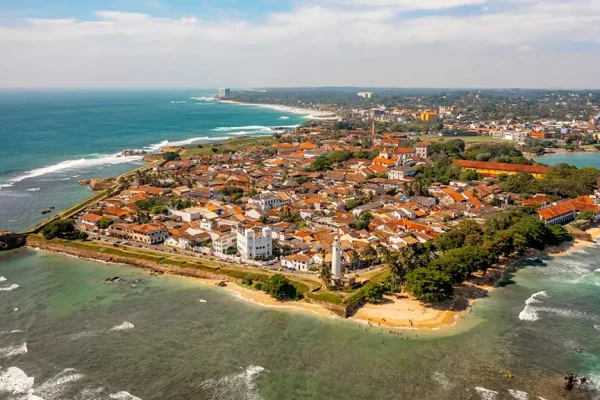
Nearby Beaches
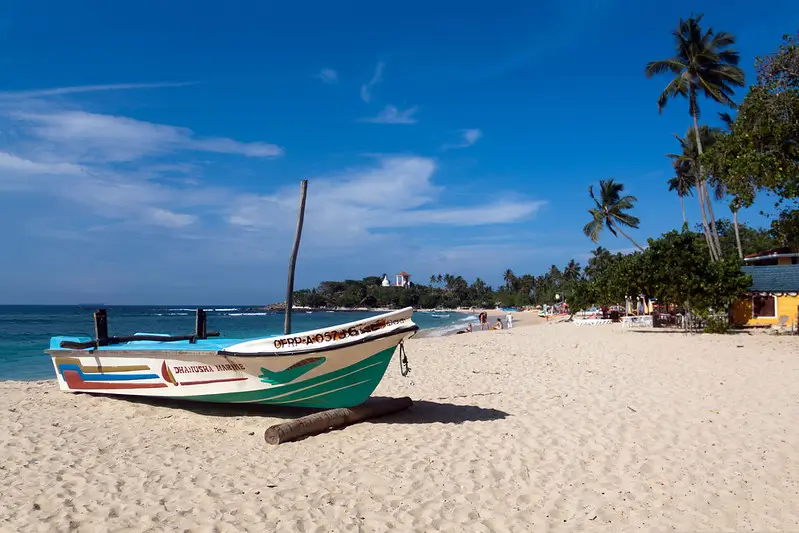
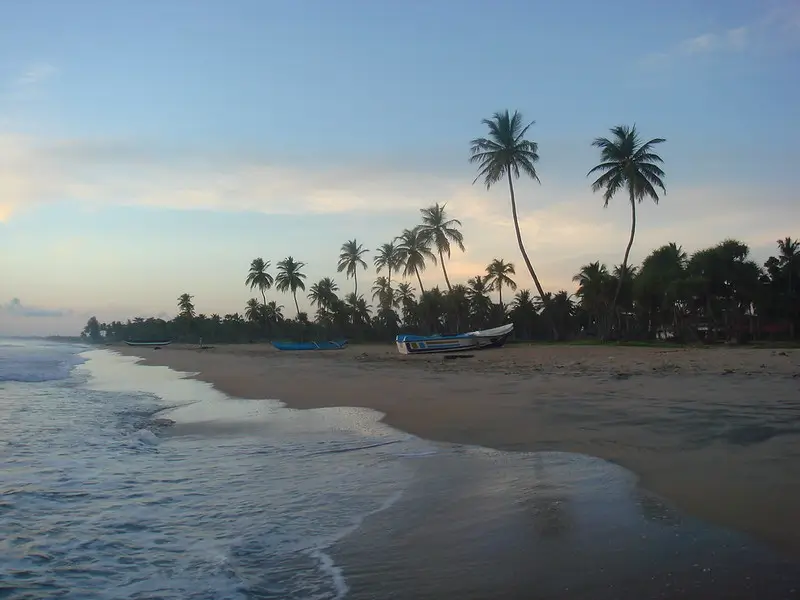
Unawatuna, Jungle Beach, and Dalawella are close to Galle and ideal for swimming and relaxation.

Best Season to Visit Galle
Galle experiences a tropical coastal climate, with warm temperatures throughout the year and seasonal rainfall.
- The best time to visit is from December to March, when the weather is drier, humidity is lower, and conditions are ideal for sightseeing, beach activities, and walking around Galle Fort.
- April remains suitable but can be warmer.
- The south-west monsoon from May to September brings heavier rain and rougher seas, making beach activities less favourable.
- October and November are transitional months with mixed weather but fewer crowds and lower accommodation rates.