
Adam’s Peak Sri Lanka
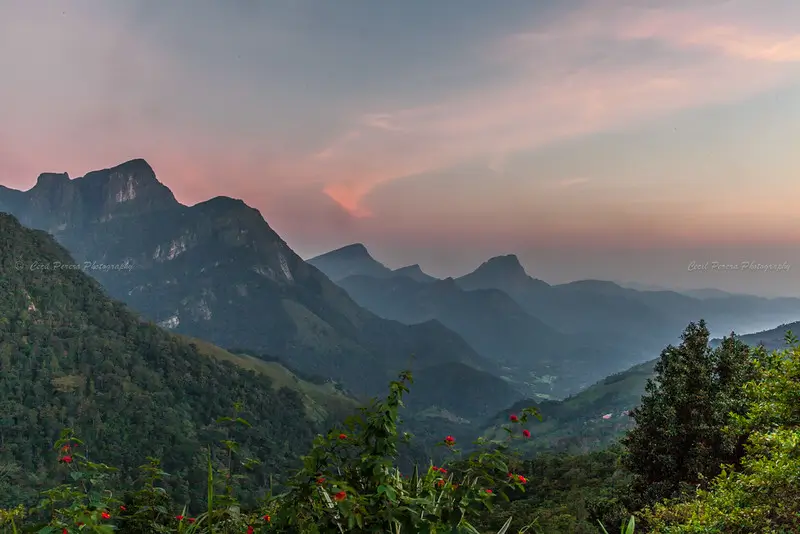
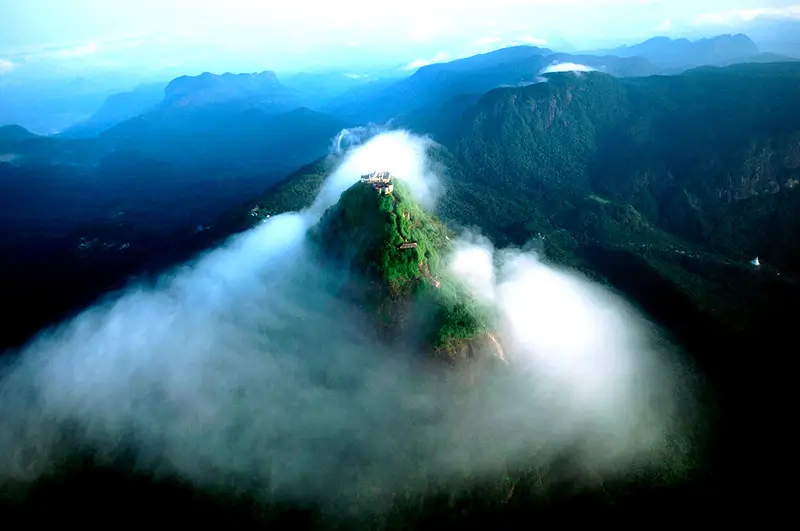
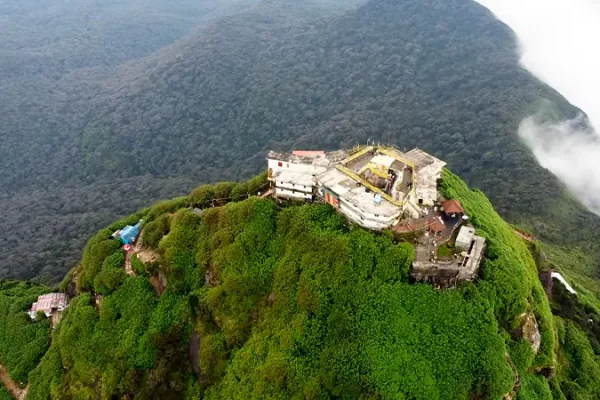
Adam’s Peak, locally known as Sri Pada or Samanala Kanda, is one of Sri Lanka’s most sacred and iconic mountains. Rising to a height of approximately 2,243 meters, it has been a revered pilgrimage site for over a thousand years. The mountain is famous for the Sacred Footprint (Sri Pada) found at its summit, which is venerated by multiple faiths. Buddhists believe the footprint belongs to Lord Buddha, Hindus associate it with Lord Shiva, while Muslims and Christians believe it to be the footprint of Adam or St. Thomas.
Ancient chronicles and travel accounts indicate that Adam’s Peak was a well-established place of pilgrimage as early as the 6th century, with Sri Lankan kings later improving access routes and facilities for devotees. Over time, the mountain became a rare symbol of religious harmony, attracting pilgrims of different beliefs who share the same sacred space.
Major Tourist Attractions in Adam’s Peak

The Sacred Footprint (Sri Pada)
The focal point of the pilgrimage located at the summit, housed within a small shrine.
Sunrise from the Summit
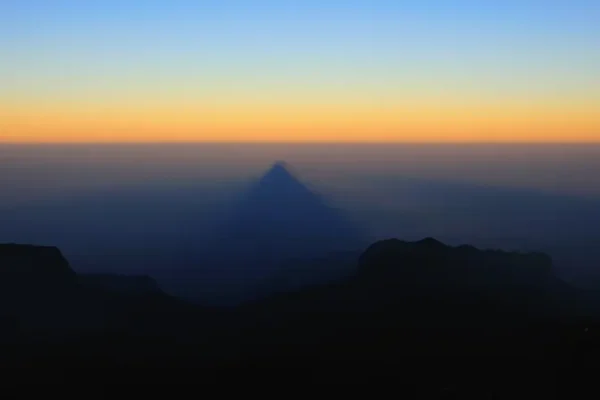
One of the most celebrated experiences, where visitors can witness the spectacular sunrise and the famous triangular shadow of the peak cast over the surrounding hills.
Night Pilgrimage Climb
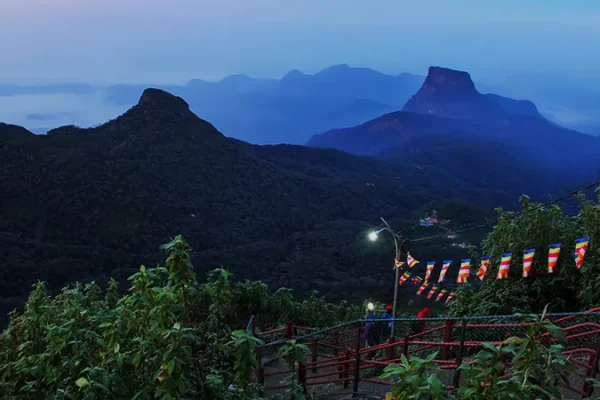
Most visitors ascend the mountain at night, creating a memorable experience with illuminated paths and a vibrant spiritual atmosphere.
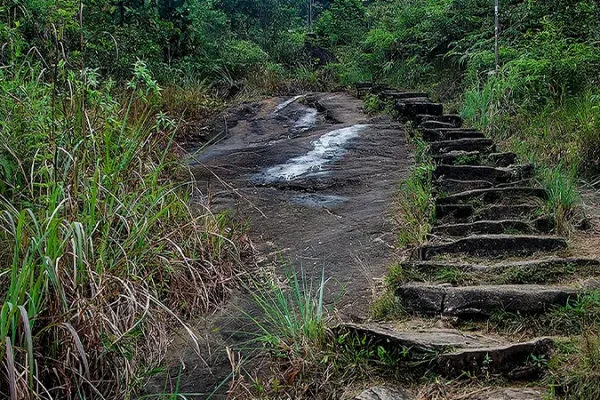
Scenic Hiking Trails
Popular routes such as Nallathanniya (Hatton) and Palabaddala pass through forests, tea plantations, and mountain landscapes.
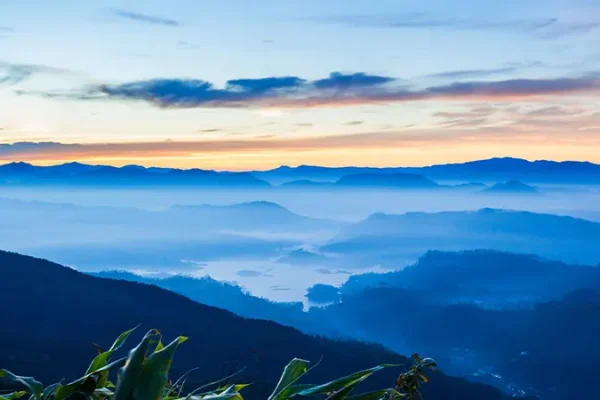
Peak Wilderness Sanctuary
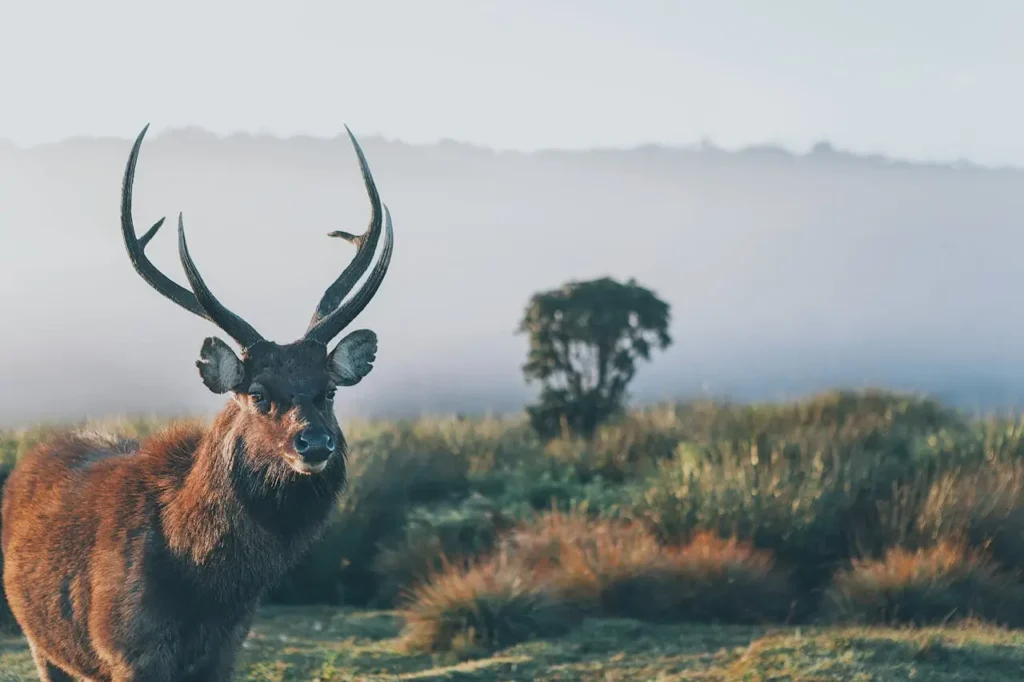
The surrounding area is rich in biodiversity and protected forest reserve, adding ecological value to the site.
Best Season to Visit Adam’s Peak
The ideal time to visit Adam’s Peak is during the official pilgrimage season, which runs from December to May.
- During this period, the weather is relatively dry, the trail is well-maintained and illuminated, and facilities such as rest stops and tea stalls are available.
- The most popular time to climb is overnight, allowing visitors to reach the summit at dawn.
- The monsoon season (June to November) brings heavy rain, mist, and slippery conditions, making climbing more challenging and less advisable for most visitors.
- For the best experience, visitors are encouraged to climb during the pilgrimage season and avoid peak crowds on major full-moon (Poya) days if seeking a quieter ascent