
Bundala National Park Sri Lanka
Bundala National Park is located in Sri Lanka’s Southern Province, near Hambantota, and is one of the country’s most important protected wetland ecosystems. The area was first declared a wildlife sanctuary in 1969 to protect its rich birdlife and wetland habitats. Recognizing its ecological significance, Bundala was officially upgraded to a National Park in January 1993.
In 1991, Bundala became the first wetland in Sri Lanka to be designated as a Ramsar Site, highlighting its international importance for migratory water birds. Further strengthening its conservation status, Bundala was declared a UNESCO Biosphere Reserve in 2005. Today, the park is globally recognized as a critical habitat for migratory birds and wetland biodiversity, playing a vital role in Sri Lanka’s wildlife conservation efforts.
Major Tourist Attractions in Bundala National Park

Migratory Bird Watching
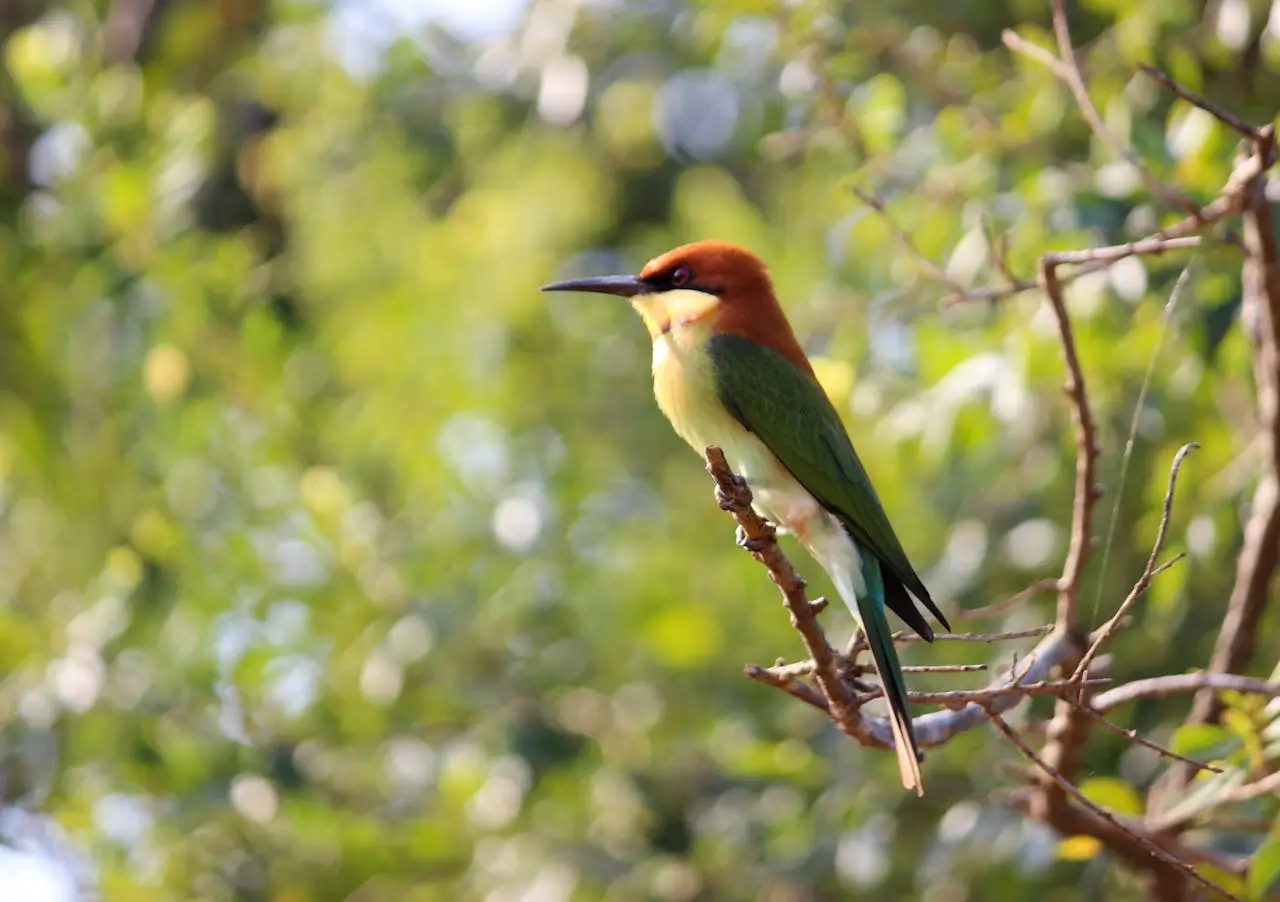
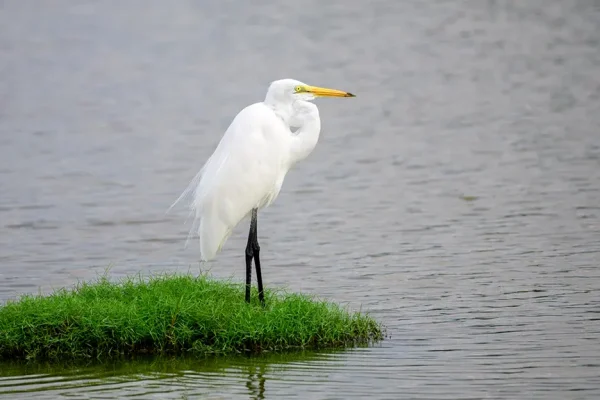
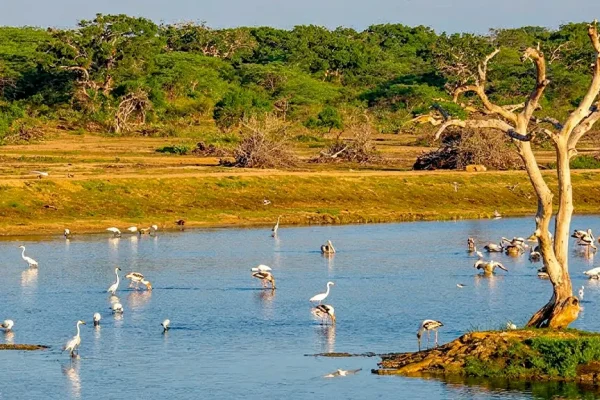
Bundala hosts nearly 200 species of birds, including large flocks of Greater Flamingos, pelicans, storks, and waders that migrate from Eurasia during the northern winter.
Lagoons & Wetlands
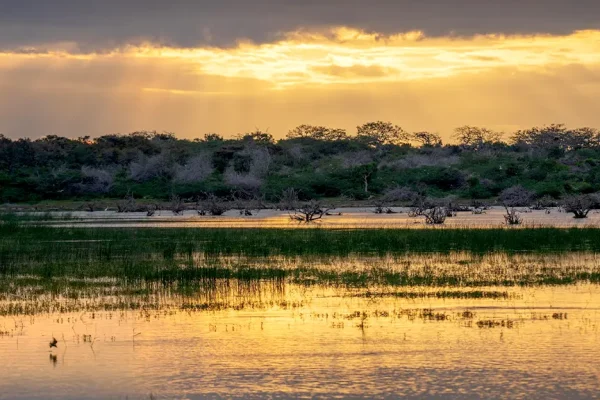
The park contains several shallow lagoons such as Bundala, Malala, and Embilikala, which serve as feeding and nesting grounds for birds.
Wildlife Safaris
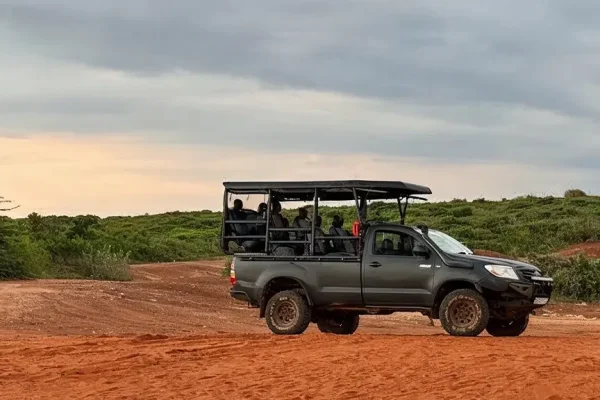
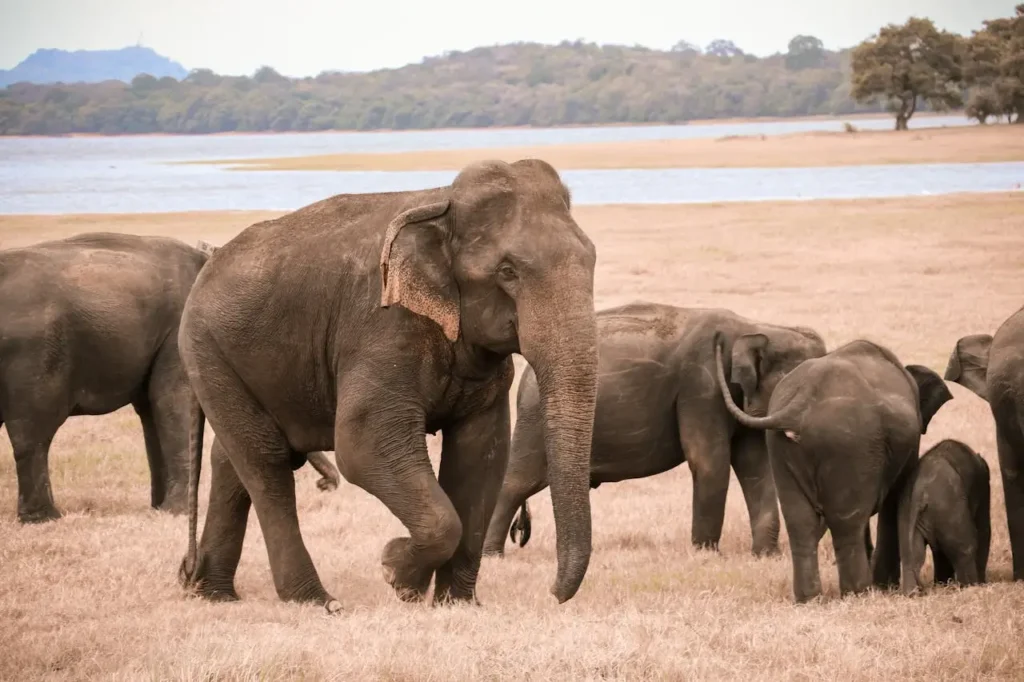
Jeep safaris offer sightings of elephants, crocodiles, spotted deer, jackals, wild boar, monkeys, and monitor lizards.
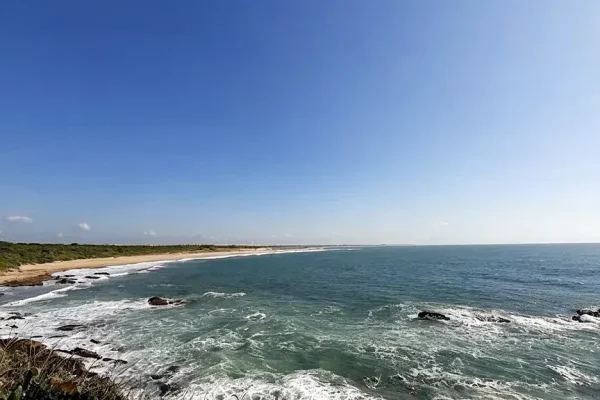
Coastal Ecosystems
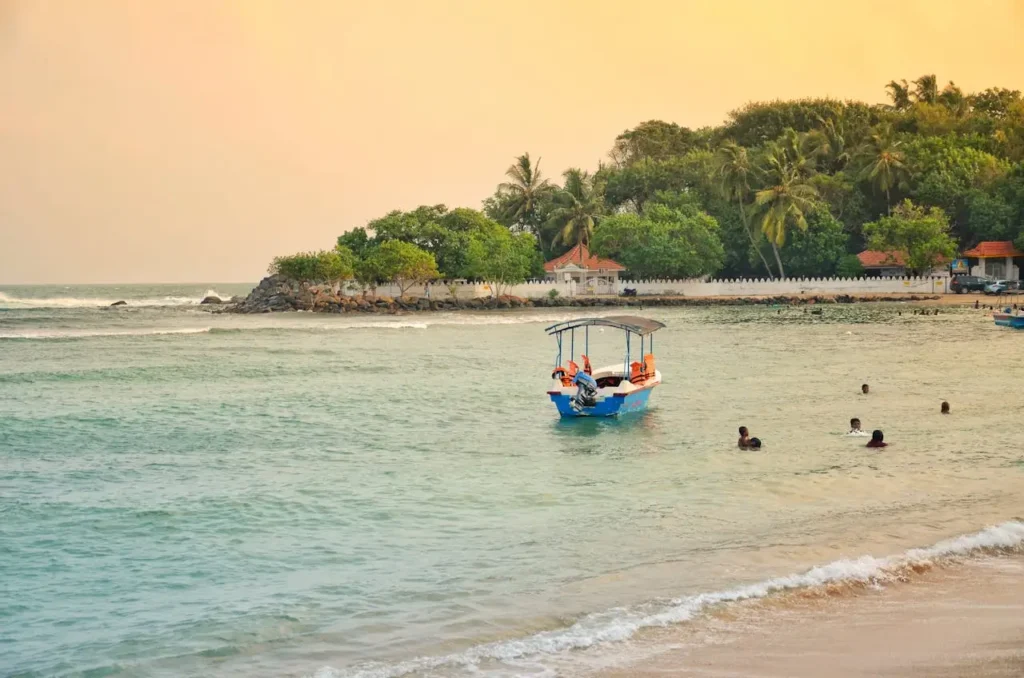
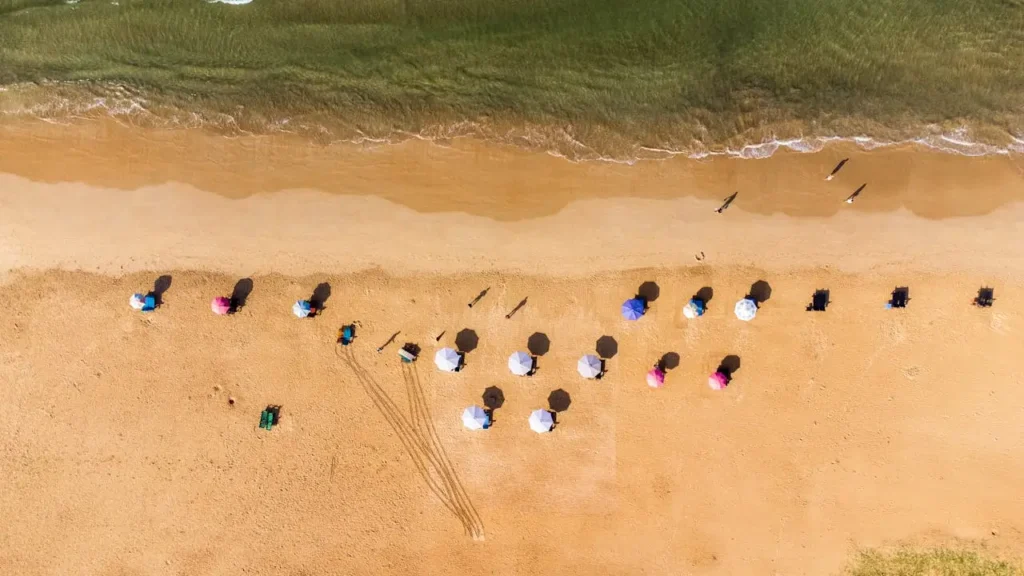
The park’s beaches and sand dunes are nesting grounds for marine turtles, including endangered species.
Scenic Landscapes
A mix of salt pans, scrub jungle, lagoons, and ocean views provides excellent opportunities for photography and eco-tourism.
Best Season to Visit Bundala National Park
The best time to visit Bundala National Park is during the dry season from October to March.
- This period coincides with the migratory bird season, making it the best time for birdwatching.
- December to February is considered peak season, with optimal weather and high bird activity.
- During the monsoon season (May to September), heavy rains may restrict access to certain areas, though the park remains lush and scenic.
Related Tours