Sinharaja Sri Lanka
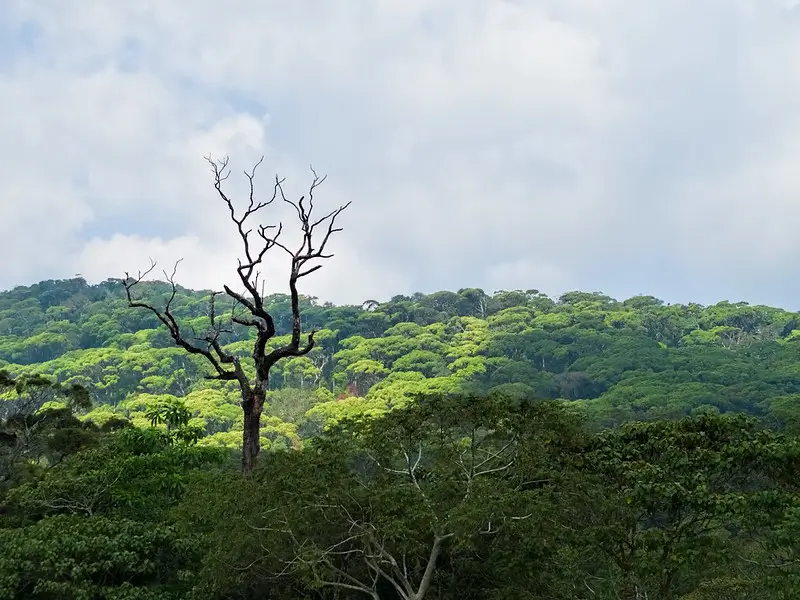
Sinharaja Forest Reserve is Sri Lanka’s most important tropical rainforest and is located in the south-western lowland wet zone, spreading across the districts of Ratnapura, Galle, and Matara. The name “Sinharaja” means “Kingdom of the Lion.” The forest has existed for thousands of years and remained largely untouched due to its dense vegetation and difficult terrain.
Recognizing its exceptional ecological value, Sinharaja was declared a Man and Biosphere Reserve in 1978 and later designated a UNESCO World Heritage Site. It is the last remaining large tract of primary lowland rainforest in Sri Lanka, making it vital for the conservation of the island’s natural heritage and endemic species.
Major Tourist Attractions in Sinharaja
Biodiversity and Wildlife
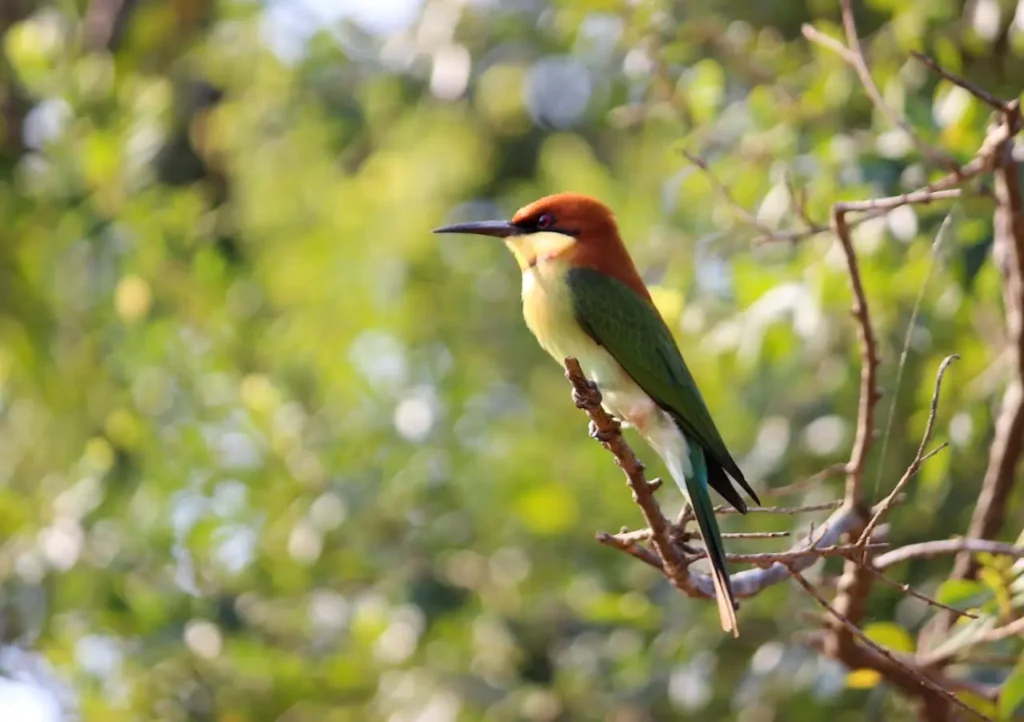
Sinharaja is internationally renowned as a biodiversity hotspot, with over 60% of its trees and a large number of animals endemic to Sri Lanka. The forest is especially famous for its mixed-species bird flocks, including the Sri Lanka blue magpie, red-faced malkoha, and green-billed coucal.
Guided Nature Trails and Trekking
Visitors explore Sinharaja through guided walks, which are mandatory to protect the ecosystem. Trails through dense rainforest allow visitors to observe rare plants, butterflies, reptiles, amphibians, and medicinal herbs while learning about rainforest ecology.

Waterfalls and Streams
Numerous waterfalls, streams, and natural pools are found inside the forest. These add scenic beauty and support the rainforest ecosystem, making treks both educational and visually rewarding.
Research and Education
Sinharaja is often described as a living laboratory, attracting scientists, students, and nature enthusiasts. It plays a crucial role in environmental education and conservation awareness in Sri Lanka.
Best Season to Visit Sinharaja
Sinharaja Forest Reserve is one of Sri Lanka’s greatest natural treasures, offering an unparalleled experience of rainforest biodiversity, endemic wildlife, and pristine natural beauty. From guided jungle walks and birdwatching to scenic waterfalls and environmental learning, Sinharaja is ideal for nature lovers and eco-tourists. Visiting during the drier months ensures a safer and more enjoyable exploration of this UNESCO-protected rainforest.
- The best time to visit Sinharaja Forest Reserve is from January to March and from August to September, when rainfall is relatively lower and forest trails are safer and less slippery for trekking.
- The forest receives heavy rainfall during the monsoon periods, especially from May to July and October to November, making trails muddy and difficult to access. While the forest remains green throughout the year, these months are less suitable for hiking and wildlife observation due to frequent rain.