
Ella Sri Lanka
Ella is a small hill-country town located in Sri Lanka’s Uva Province, in the Badulla District, at an elevation of about 1,041 metres above sea level. Historically, the area was valued for its fertile highland terrain and strategic position along ancient inland routes. Ella’s modern identity, however, was largely shaped during the British colonial period, when the surrounding hills were cleared for tea plantations in the late 19th and early 20th centuries.
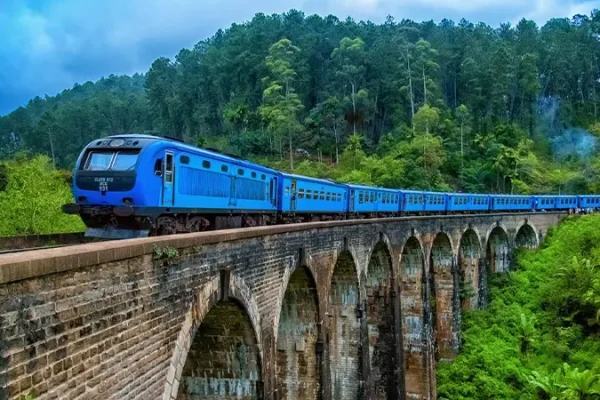
The construction of the Up-Country railway line, including the iconic Nine Arches Bridge (completed in the early 20th century), transformed Ella into an important stop between Kandy and Badulla and linked the region to Sri Lanka’s tea export economy. Alongside colonial history, Ella is also associated with local legends from the Ramayana, particularly the nearby Ravana Cave and Ravana Falls, which add cultural and mythological significance to the area. Over the last two decades, Ella has evolved from a quiet plantation town into one of Sri Lanka’s most popular hill-country travel destinations.
Major Tourist Attractions in Ella

Nine Arches Bridge
A striking colonial-era railway bridge set amid lush greenery and tea plantations; one of the most photographed landmarks in Sri Lanka.
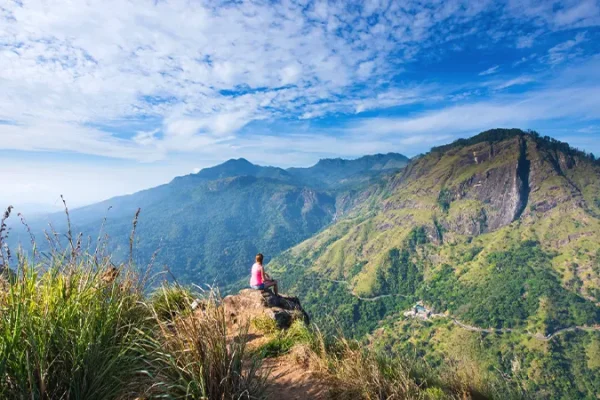
Little Adam’s Peak
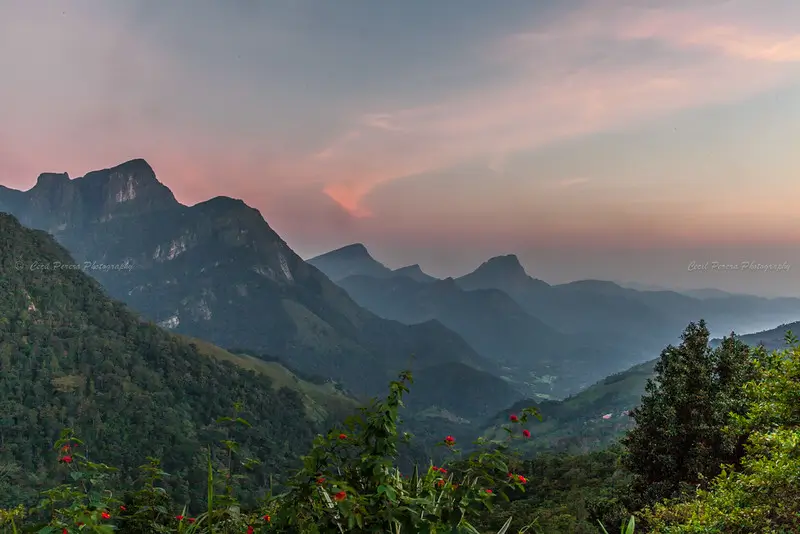
An easy and popular hike offering panoramic views of Ella Gap and the surrounding hills.
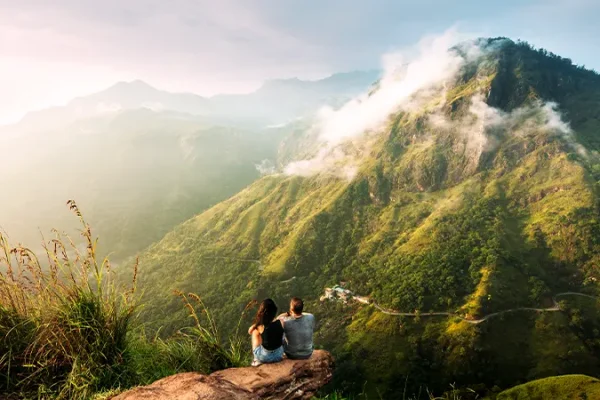
Ella Rock
A more challenging trek rewarded with sweeping views over valleys, forests, and tea estates.
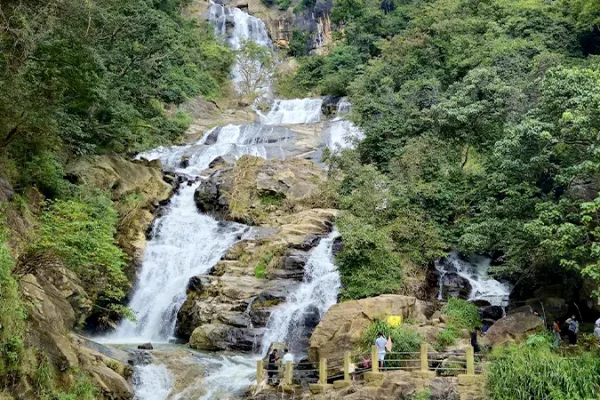
Ravana Falls & Ravana Cave
A dramatic waterfall and nearby cave linked to ancient legends and local folklore.
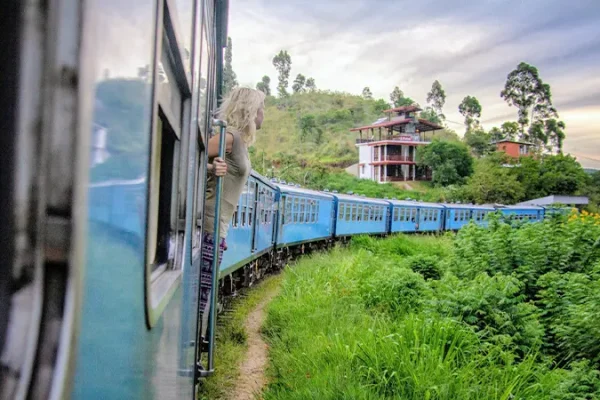
Scenic Train Journey
The train ride between Kandy, Nuwara Eliya, and Ella is considered one of the most beautiful rail journeys in the world.
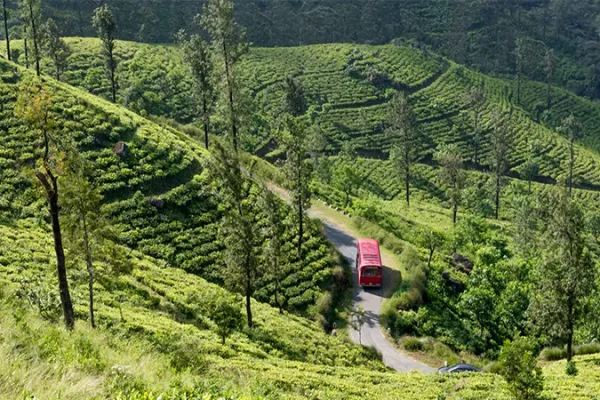
Tea Plantations & Factories
Visitors can explore nearby estates and learn about the production of Ceylon tea.
Best Season to Visit Ella
Ella enjoys a cooler and wetter climate compared to Sri Lanka’s lowlands, making timing important for outdoor activities.
- The best time to visit is from January to March, when rainfall is relatively low, skies are clearer, and hiking conditions are at their best.
- June to August is also popular, especially for European summer travellers, with generally good weather but higher visitor numbers.
- The monsoon period from July to November brings heavier rain and mist, which can affect hiking trails and visibility, though the landscape becomes lush and green.
- December marks the transition to drier weather and is suitable for sightseeing with fewer crowds than peak season.
Related Tours